

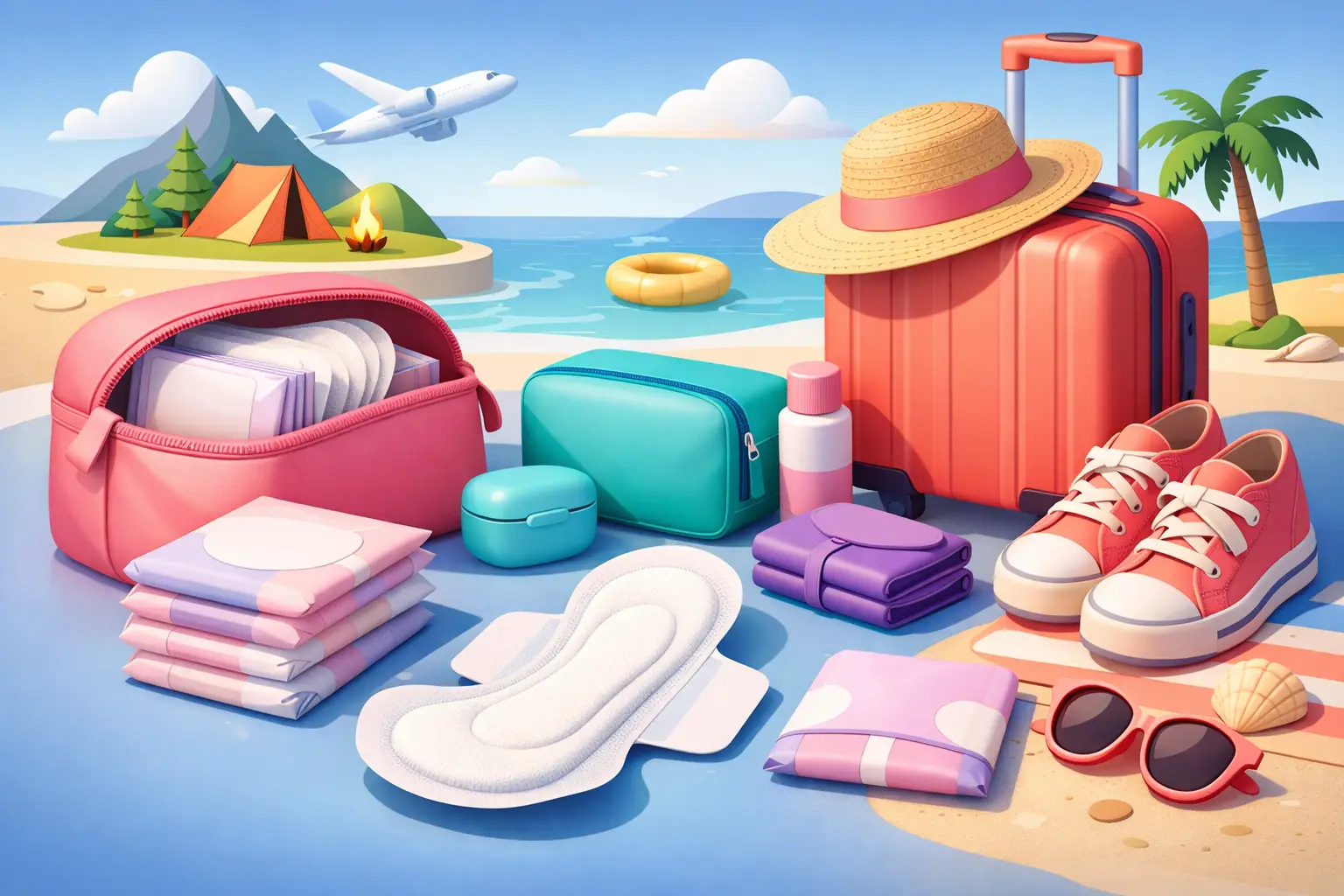
The moment a period starts at school, during PE or halfway through a day out, a pad needs to do more than simply absorb. Portable pads for teen periods should feel easy to carry, quick to use and comfortable enough to forget about once they are on. That little bit of preparation can turn an anxious moment into one that feels completely manageable.
For teens who are still learning what works for their body, the right pad is often about confidence as much as coverage. A compact pack in a school bag, blazer pocket or sports kit means there is no need to borrow in a rush or worry about getting caught out.
What makes a pad genuinely portable?
Portable does not have to mean less protective. The best everyday pads are individually wrapped, slim enough to carry discreetly and flexible enough to move with the body. They should unfold easily, stay in place and provide reliable coverage without creating a bulky feeling under leggings, school trousers or jeans.
Packaging matters too. A pad that is cleanly wrapped can sit safely in a small pouch for weeks, ready for an unexpected start. Individual wrappers also make disposal more discreet when using a school, public or shared bathroom.
For many teens, a small period pouch is more useful than carrying a large pack. Keeping a few pads, a spare pair of pants and a small disposal bag together creates a simple back-up plan for school trips, sleepovers and travelling. It is practical, private and reassuring.
Portable pads for teen periods need comfort first
Teen skin can be sensitive, particularly during a period when heat, moisture and friction are more likely. A pad may look thin, but if it feels scratchy, traps dampness or shifts throughout the day, it can quickly become distracting.
Look for a soft, breathable top layer and a shape that follows natural movement. Wings can help keep the pad steady during lessons, walking between classes and sport, while a flexible core reduces that stiff, crinkly feeling some pads can have. A pad should support a busy day, not make someone constantly check whether it has moved.
Freshness is another part of comfort. Odour is normal, but prolonged moisture can make a pad feel unpleasant. Choosing products designed to help manage wetness and maintain a fresh feeling can make long school days far more comfortable. Elun pads use antibacterial nano ribbon technology to support extended dryness, freshness and a more comfortable feel for sensitive skin.
Choose absorbency for the day ahead
There is no single pad that suits every day of a period. Flow can change from morning to evening and from one cycle to the next. That is why a mix of day pads and longer night pads is often the most useful approach.
A regular pad may be ideal for lighter days, school hours or the final days of a period. On heavier days, a more absorbent pad with wider coverage can offer better peace of mind, especially when sitting through lessons or commuting home. Night pads are worth packing for sleepovers or holidays because their longer shape is designed to provide extra coverage when lying down.
Changing pads regularly is still essential, even with high absorbency. As a general guide, a pad should be changed every four to six hours, or sooner if it feels full, damp or uncomfortable. A heavier flow may call for more frequent changes. The aim is not to make a pad last as long as possible – it is to stay clean, dry and comfortable.
School and exam days
Long school days can mean limited time between lessons, so it helps to choose a pad that is reliable without feeling noticeable. Keep two or three individually wrapped pads in an accessible pocket of a bag, rather than at the bottom under books and lunch.
If periods are unpredictable, carrying a small pouch every day removes the pressure of trying to guess when one will start. It is also sensible to include period supplies on revision days and exam days. Feeling prepared leaves more headspace for the things that need attention.
Sport, dance and active days
Movement changes what a teen may need from a pad. For PE, dance, running or team sport, a thin but absorbent pad with secure wings can feel more comfortable than a thick pad that bunches. Close-fitting shorts or leggings can help a pad stay in place, but the pad itself should still be flexible and secure.
For swimming, pads are not suitable in the water because they absorb pool water. A teen who wants to swim while on their period may prefer to speak with a parent, trusted adult or healthcare professional about other menstrual product options. The best choice depends on comfort, confidence and personal readiness.
Sleepovers, trips and travel
Periods have a habit of arriving when routines change. A sleepover, school residential or family holiday is much easier when pads are already packed. Include enough for the expected days away, plus extras in case a period starts early or is heavier than usual.
A night pad is especially useful for overnight protection, while smaller individually wrapped pads are convenient for daytime outings. Put a few into a day bag as well as the main wash bag. Luggage can be out of reach, and a spare pad nearby is always more useful than one left in a hotel room.
Materials matter when skin is sensitive
A teen does not need to understand every technical detail on a packet to make a considered choice. But it is worth paying attention to how a pad feels against the skin and whether irritation keeps happening. Rashes, itching and discomfort can be linked to friction, trapped moisture or sensitivity to particular materials.
Skin-conscious pads that prioritise softness, breathability and hygienic protection can be a better fit for those prone to irritation. Some people also prefer microplastic-free options as part of a more thoughtful approach to everyday period care. Comfort and ingredient awareness are not extras – they are reasonable expectations for products worn against delicate skin.
If irritation is severe, persistent or accompanied by unusual discharge, pain or a strong smell, speak to a GP, school nurse or trusted healthcare professional. Period care should feel comfortable, and ongoing symptoms deserve proper advice rather than being ignored.
A simple period pouch makes all the difference
A period pouch does not need to be complicated. A small, opaque zip pouch offers privacy and keeps supplies clean. Alongside individually wrapped pads, add spare underwear and a small bag for wrapping a used pad if there is no bin immediately available. Used pads should be wrapped and placed in a sanitary bin or general waste bin – never flushed down the toilet.
Some teens like keeping a second mini kit in a locker, sports bag or parent’s car. That can be helpful for anyone with an irregular cycle, but it is equally useful for the friend who needs an emergency pad. Carrying supplies is not embarrassing. It is a quiet form of self-care and, sometimes, a kind way to help someone else.
Confidence comes from being prepared
The best portable period care fits around real teen life: crowded school bags, after-school clubs, changing rooms, sleepovers and days when there is already plenty to think about. Choose pads that are individually wrapped, comfortable on sensitive skin, secure during movement and suited to the flow expected that day.
A few well-chosen pads in a small pouch can offer something bigger than convenience: the freedom to focus on class, friends, sport and plans without a period taking over the day.