

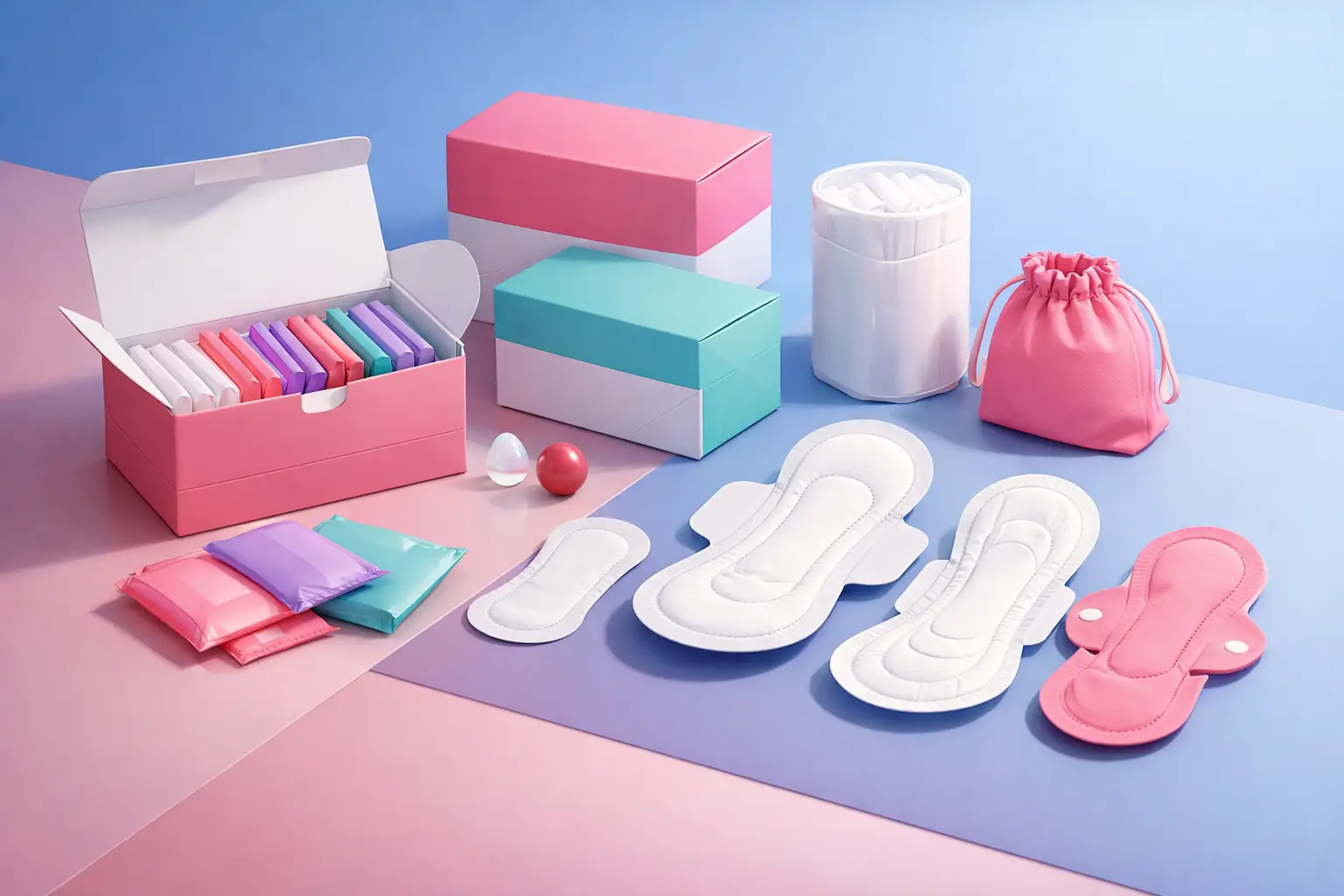
A period pad sample pack review should answer more than one question: does the pad absorb? Most pads do. The real test is whether it stays comfortable from the school run to a late meeting, feels kind against sensitive skin, and gives you the confidence to move without constantly checking for leaks.
A sample pack gives you the space to find that out before committing to a larger box. It is a practical way to compare pad sizes, thicknesses and absorbency levels across your own cycle – not a laboratory version of it. Your flow, skin and routine are personal, so the best pad is the one that works reliably in real life.
Why a sample pack is worth trying
Periods are not the same every day. You may need a light liner at the beginning of your cycle, a more absorbent pad for heavier days, and longer protection overnight. Buying one format in bulk before you know how it performs can leave you with products that are too bulky, too short, or simply not comfortable enough.
A well-chosen sample pack lets you try different options without the waste or cost of guessing. It can be especially useful if you are moving away from a pad that causes rubbing, feels damp after a few hours, or has a fragrance that does not agree with your skin.
It is also helpful for teens building their first period kit, anyone returning to pads after pregnancy, and frequent travellers who need protection that is discreet and dependable. Rather than relying on a quick squeeze through the wrapper, you can test what matters: fit, dryness, movement and freshness.
Period pad sample pack review: what to test
The most useful reviews are based on wear, not just first impressions. A pad can look thin and soft in the packet, yet shift during the day or feel uncomfortable once moisture reaches the surface. Give each style a fair trial on the type of day it is designed for.
Comfort against your skin
Start with the top sheet. It should feel soft, not scratchy or plasticky, particularly if you are prone to irritation. Notice how the pad feels after several hours, not only when it is freshly applied. Heat, movement and moisture can make small discomforts more obvious over time.
A pad should sit comfortably against your body without bunching between your legs or creating a stiff, crinkly feeling under clothing. Thinness can help with discretion, but thinner is not automatically better if it compromises the absorbent core or makes the pad more likely to fold.
If you have sensitive skin, choose materials and product claims carefully. A microplastic-free pad may be an appealing option for shoppers who want to reduce plastic exposure in their everyday period care. It is sensible to avoid changing several intimate-care products at once, so you can identify what is helping if your skin feels calmer.
Absorbency and surface dryness
Absorbency is about more than how much fluid a pad can hold. What you feel on the surface matters just as much. A pad that absorbs quickly and helps keep moisture away from the skin can make long days more comfortable and reduce that unwelcome damp feeling.
Test your sample pack across different flow levels. On a medium-flow day, check how the pad feels before you would normally change it. On a heavier day, use the most absorbent style and change it regularly according to your needs. No pad should be treated as a reason to wear protection for longer than feels comfortable or hygienic.
Look for a core that spreads fluid effectively rather than allowing it to pool in one area. If you find yourself adjusting your pad after sitting down, standing up or using the loo, that is useful feedback. Good protection should work with your routine, not demand your attention all day.
Shape, length and leak protection
Fit is personal. A shorter pad may be perfect for light days or compact underwear, while a longer pad can offer greater reassurance during heavier flow or overnight. Wings are equally individual: some people value the secure hold, while others prefer a design that feels less restrictive.
Try walking, sitting, climbing stairs and sleeping in the pads you are considering. The right style should remain in place without twisting or lifting at the edges. For nights, length and rear coverage are usually more important than ultra-thin design. A dedicated night pad is often the more comfortable choice if you move in your sleep or wake up concerned about back leaks.
Do not judge a pad only by whether it leaked. Consider where it protected you best and where the shape fell short. If leakage happens mostly at the front, back or sides, a different length or contour may solve the problem more effectively than simply choosing a thicker pad.
Freshness without compromise
Feeling fresh during your period should not mean masking odour with a strong perfume. Fragrance can be a concern for some people with sensitive skin, and a clean, dry feel is usually more valuable than a noticeable scent.
Some pads are designed with antibacterial technology to support freshness and odour control. Elun Hygiene uses antibacterial nano ribbon technology in its pads, with the aim of supporting extended dryness, comfort and confidence through the day and night. As with any product claim, your own experience is the most useful measure: note whether you feel comfortable and fresh between normal changes.
Freshness also comes down to practical habits. Change pads regularly, choose the absorbency appropriate to your flow, and keep spare products in your bag so you are never forced to make do with the wrong size.
How to compare a sample pack fairly
Give yourself at least one full cycle where possible. A single wear can reveal obvious issues, but it may not show how a pad performs on your heaviest day, during exercise, or while sleeping. Keep the comparison simple by making a short note after each use: comfort, dryness, fit, movement and confidence.
It helps to test comparable styles at comparable times. For example, compare two regular pads on medium-flow workdays rather than judging one on day two of your period and another on your lightest day. Your flow changes, so context matters.
Avoid expecting one pad to do every job. Panty liners suit light discharge, spotting or the final days of a period, but they are not a substitute for a regular pad on a heavier day. Likewise, a daytime pad may feel perfectly comfortable for errands but lack the length you want overnight. A useful sample pack includes options for these different moments.
Signs a pad is not the right match
Your body usually gives clear feedback. Persistent itching, soreness, rubbing or a rash are signs to stop using a product and consider a gentler alternative. If irritation is severe, unusual or does not settle, seek advice from a pharmacist or healthcare professional.
Other signs are less dramatic but still worth acting on: frequent shifting, dampness soon after changing, visible bulk under clothes, unreliable wings, or an odour you notice despite normal pad changes. You do not need to accept these as unavoidable parts of having a period.
Cost matters too. The lowest price per pad is not always the best value if you need to change more often because the pad is uncomfortable or does not suit your flow. A product that performs consistently, protects your clothes and feels good to wear can be the better everyday choice.
Build a period kit around what you learn
Once you know your preferred formats, keep a small mix on hand. A couple of liners, regular pads and heavier-flow or night pads cover more situations than one single style. Add spare underwear and a small disposal bag when travelling, at school or commuting, and your period kit becomes a quiet source of reassurance.
The goal of trying a sample pack is not to find a technically perfect pad. It is to find protection that lets you get on with your day with less discomfort, less second-guessing and more confidence. Listen to the details your body notices – they are often the clearest guide to what belongs in your regular period routine.