

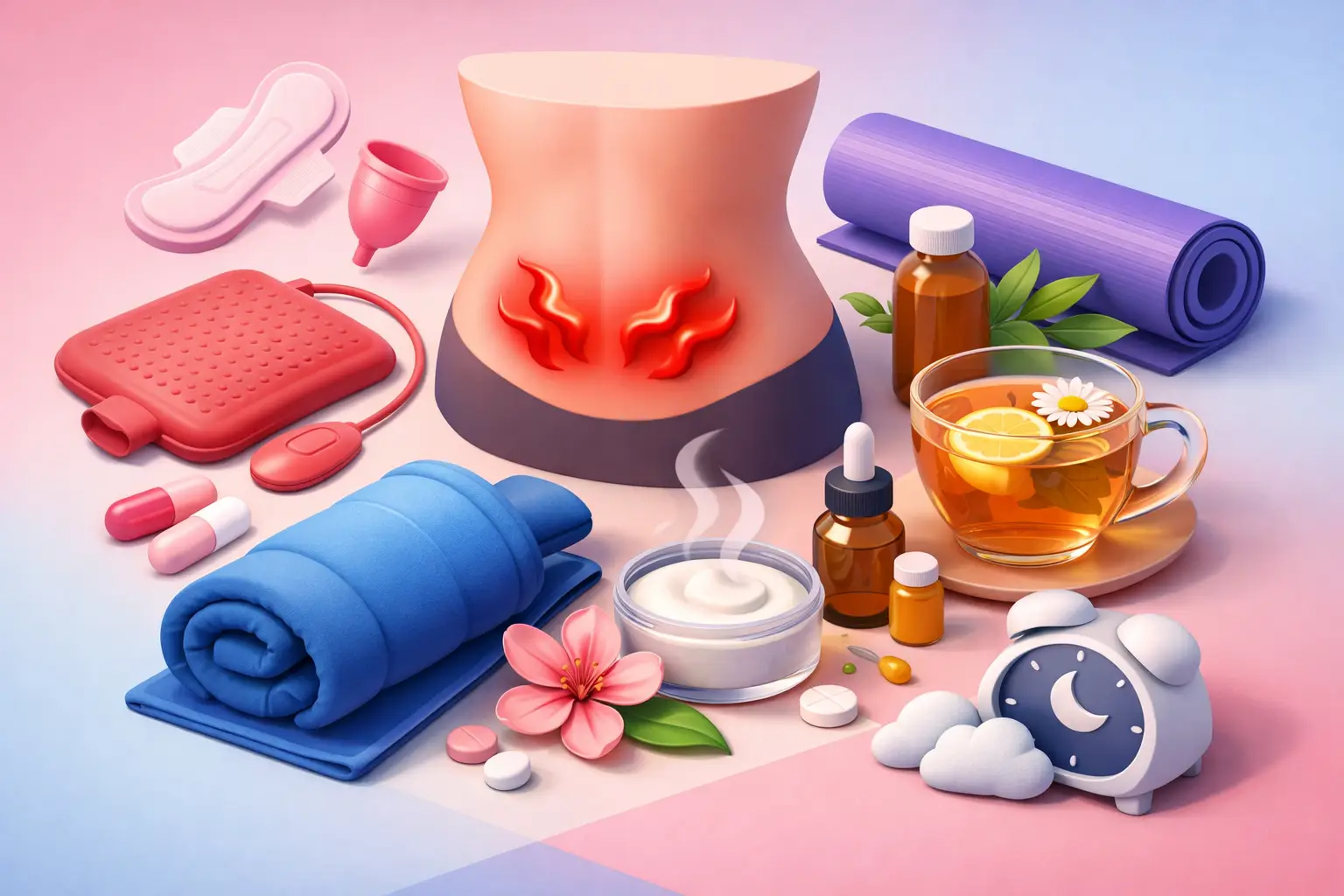
A cramp that makes you cancel plans, lose focus in a meeting or curl up with a hot water bottle is not something you have to simply push through. If you are wondering how to reduce period pain, a few timely, practical steps can make a real difference – and knowing when pain needs medical attention matters just as much.
Period pain is common, but it is personal. What eases a mild first-day ache may not touch the deeper cramps some people experience each month. The aim is not to promise a pain-free period overnight. It is to build a reliable comfort plan that supports your body, your routine and your confidence.
Why period cramps can feel so intense
During your period, the uterus contracts to shed its lining. Chemical messengers called prostaglandins help trigger those contractions. Higher levels can cause stronger cramps, and may also bring lower-back pain, nausea, headaches, loose stools or fatigue.
For many people, cramps are strongest just before bleeding begins or during the first one or two days. They often improve with age, but not always. Pain can also change after stopping or starting hormonal contraception, following pregnancy, or when stress and sleep are out of balance.
Pain that is severe, worsening, or different from your usual pattern deserves more than a quiet word with yourself. Conditions such as endometriosis, adenomyosis, fibroids and pelvic inflammatory disease can cause painful periods, and they are treatable. You do not need to prove that you are in enough pain before speaking to a GP.
How to reduce period pain at home
The most effective approach is usually a combination of measures, started early. Waiting until cramps are at their peak can make them harder to settle.
Use heat where you need it
A hot water bottle, heat patch or warm bath can relax tense muscles and reduce the feeling of cramping. Place heat on your lower abdomen or lower back for around 15 to 20 minutes at a time, with a cover between the heat source and your skin to avoid burns.
Heat is especially useful when you need a low-effort option at home, on the sofa or before bed. For work, travel or school, a discreet heat patch may be more practical, as long as you follow the product instructions carefully.
Consider pain relief early
Anti-inflammatory medicines such as ibuprofen can help reduce prostaglandins as well as ease pain. They tend to work best when taken at the first sign of cramps, or just before your period begins if your cycle is predictable. Take them with food and follow the label instructions.
Ibuprofen is not suitable for everyone. Check with a pharmacist or GP before taking it if you have asthma that is affected by anti-inflammatories, stomach ulcers, kidney problems, heart conditions, are taking certain medicines, or are pregnant. Paracetamol may be another option for some people, though it may be less effective for cramping. Never exceed the recommended dose or combine medicines without professional advice.
Move gently, even when motivation is low
Exercise may be the last thing you fancy when your abdomen feels tight, but light movement can help. A slow walk, gentle yoga, stretching, swimming or cycling can increase circulation and release endorphins, the body’s natural pain-relieving chemicals.
This is not a call to force a workout through severe pain. On difficult days, five minutes of stretching or a short walk around the block counts. Notice which movement feels relieving rather than draining, and give yourself permission to keep it gentle.
Support your body with food, fluids and rest
There is no single “period pain diet”, and you do not need to eat perfectly to deserve relief. Regular meals, enough water and limiting alcohol may help you feel steadier when bloating, tiredness or nausea are part of your cycle. Some people find that very salty foods, excess caffeine or large amounts of sugar make their symptoms feel worse, but it varies.
Prioritise sleep where possible. A supportive pillow between your knees when lying on your side, or beneath your knees when lying on your back, can take pressure off the lower back. Small comforts are not trivial when pain is using up your energy.
Try relaxation for the tension around the pain
Cramps are physical, not “all in your head”. Yet stress can make the body brace against pain, which can intensify discomfort. Slow breathing, a guided meditation, a relaxing shower or a few minutes away from bright screens can help lower that tension.
Try breathing in for four counts and out for six, for two or three minutes. It will not remove the underlying cramp, but it can make a flare-up feel more manageable while heat or pain relief has time to work.
Comfort during your period matters too
Cramps are harder to deal with when you are also distracted by dampness, rubbing, leaks or worries about odour. Choosing a pad that feels soft, secure and breathable can take one source of discomfort off your mind, particularly on heavy days or overnight.
Change your pad regularly, choose the absorbency that matches your flow, and wear comfortable underwear that does not dig in around your abdomen. If your skin is prone to irritation, look for skin-conscious materials and avoid fragranced products that do not agree with you. A dry, well-fitting pad should support your day, not make you constantly aware of it. Elun’s microplastic-free, antibacterial pad range is designed with that reassurance in mind, including for sensitive skin and long days away from home.
Keep a simple symptom record
A brief period diary can reveal useful patterns. Track when pain starts, how long it lasts, where it is felt, how heavy your bleeding is, and what actually helps. Also note missed work, school, exercise or social plans. This is valuable information if you speak with a GP, and it helps you prepare before the next cycle arrives.
You might notice, for example, that taking pain relief at the first twinge works better than waiting, or that cramps are more difficult after poor sleep. The point is not to monitor yourself obsessively. It is to replace guesswork with a plan that feels more dependable.
When period pain needs medical advice
Book a GP appointment if period pain regularly stops you doing normal activities, becomes more severe, does not improve with over-the-counter pain relief, or starts after years of manageable periods. It is also worth seeking advice if you have pain during or after sex, pain when using the toilet, bleeding between periods, unusually heavy bleeding, or trouble becoming pregnant.
Seek urgent medical help for sudden severe pelvic pain, fainting, fever, vomiting that will not stop, or if you might be pregnant and have pain or bleeding. These symptoms need prompt assessment.
A GP may discuss different pain-relief options, hormonal contraception, tests or referral to a specialist. Be clear about the impact on your life. Saying “I miss one day of work every month” or “I wake up from pain despite medication” gives a much fuller picture than simply saying your periods hurt.
A gentler plan for the next cycle
Period pain can make life feel smaller for a day or two. Planning ahead can give some control back: keep your preferred pain relief and a heat option ready, choose comfortable period protection, and leave space in your diary for rest if you can. Relief is often built from these small, consistent choices – alongside medical support whenever your symptoms ask for more.