

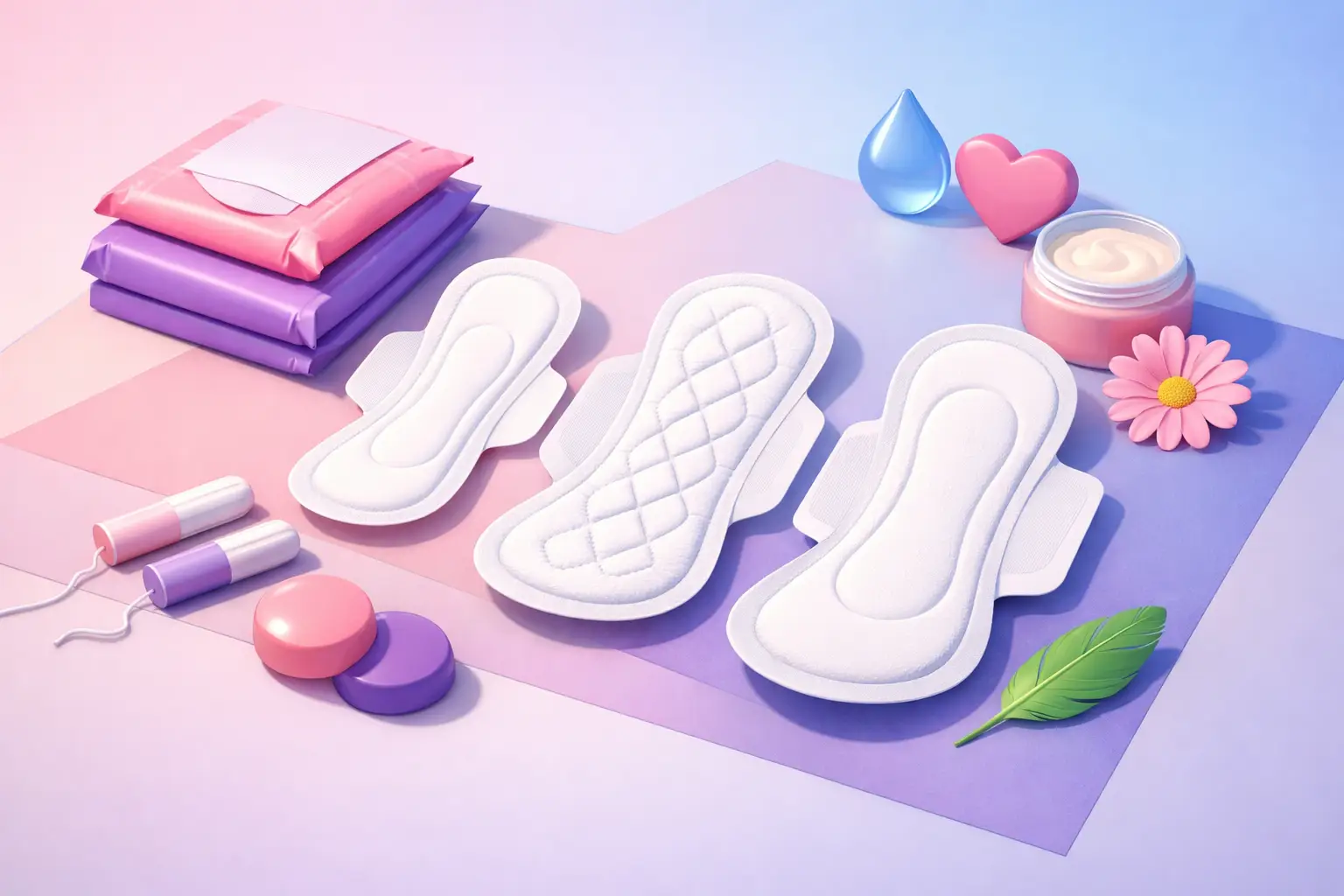
A pad that feels fine for the first hour but becomes damp, bulky or irritating by lunchtime is not the right pad for you. Learning how to choose period pads means looking beyond the packet and choosing protection that suits your flow, skin, routine and need for confidence. The right choice should help you move through school, work, sleep and travel without constantly checking for leaks or discomfort.
Every period is different, and your needs can change from one day to the next. A lighter day may call for a slim, flexible pad, while a heavier day or an overnight sleep needs greater absorbency and more coverage. Start with how your body feels, then build a selection that supports it.
How to choose period pads for your flow
Flow is the most practical place to begin. Pads are usually designed for light, regular, heavy or overnight use, but those labels are only useful when they match what you actually experience. Think about when you tend to need the most protection, rather than choosing one type of pad for every day of your period.
For lighter days, a thin pad can offer a discreet layer of protection without feeling restrictive. It should stay comfortably in place and absorb quickly enough to keep the surface feeling dry. Panty liners can be useful at the very beginning or end of a period, for light spotting, or as a little extra reassurance when your cycle is due.
On regular-flow days, look for a pad with reliable absorbency and a shape that follows your movement. A pad should not feel stiff, bunch up or leave you aware of it every time you sit down. If you regularly need to change sooner than expected, that is a sign to move up an absorbency level rather than simply putting up with discomfort.
For heavier days, absorbency and leak protection matter most. Choose a longer pad with wider coverage, especially at the back, and secure wings that help keep it in position. Fast absorption is valuable too: menstrual fluid should be drawn away from the surface instead of sitting against your skin, where it can feel wet and lead to chafing.
Choose overnight pads for sleep, not just longer wear
Night-time protection deserves its own consideration. Your body position changes while you sleep, so a daytime pad may not provide coverage where you need it most. Overnight pads are generally longer and more protective at the back to help manage leaks when lying down or turning over.
If you wake up worried about staining your bedding, choose a night pad designed for heavier flow and extended protection. The aim is not to wear a pad for longer than feels hygienic or comfortable. It is to sleep with greater peace of mind and wake feeling clean, dry and protected.
Put sensitive skin first
Period care sits against delicate skin for hours at a time, so comfort is not a bonus. It is part of good hygiene. If you are prone to redness, itching, rashes or a sticky feeling, pay close attention to the materials and surface of the pad.
Look for pads made with a soft, breathable top layer that helps reduce friction. A dry-touch surface can make a real difference when you are active, travelling or managing a busy day. Avoid assuming that thicker automatically means more comfortable. A well-designed thin pad can provide dependable absorption while feeling lighter against your body.
It also helps to change pads regularly, even on lighter days. Moisture, warmth and rubbing can all make irritation more likely. If discomfort appears repeatedly, try a different pad type or absorbency and consider speaking to a healthcare professional if symptoms continue.
For people who want a more considered materials choice, microplastic-free period pads can be a meaningful factor. This is about choosing products that align with both skin-conscious care and your wider values, while still delivering the protection your period demands.
Check how the pad stays in place
Even an absorbent pad cannot protect you properly if it shifts. Fit is personal: the best shape for one person may not work for another depending on underwear style, body shape and how active their day is.
Wings help anchor the pad around your underwear and can add side protection, particularly on heavier days. The adhesive should hold securely without making removal difficult or leaving your underwear feeling damaged. A flexible pad is often more comfortable for walking, exercising, commuting or sitting at a desk for long stretches because it moves with you instead of folding in on itself.
Pay attention to width as well as length. A pad that is too narrow can leave you feeling exposed at the sides, while one that is unnecessarily wide may feel bulky. There is no prize for choosing the smallest pad possible. Choose the coverage that lets you forget you are wearing one.
Look for freshness without compromising comfort
Freshness is often discussed as an odour concern, but it is closely tied to dryness and hygiene. When fluid is absorbed quickly and kept away from the top layer, you are more likely to feel comfortable throughout the day. Regular changes remain essential, especially during a heavy flow.
Some pads use antibacterial technology to support a fresher feeling. If this is a priority for you, understand what the brand is saying and choose products that clearly explain their approach. Elun Hygiene period pads use antibacterial nano ribbon technology alongside a soft, microplastic-free design, offering an option for people who want comfort, odour control and dependable dryness in one pad.
Fragrance can be a personal preference, but it is not necessary for a pad to feel clean. If your skin is sensitive, a simpler, skin-considerate choice may be the more comfortable route. The best freshness comes from effective absorption, breathable comfort and changing your pad when needed.
Build a pad routine that works in real life
You do not need to commit to a single pad for your whole period. In fact, a small mix is often the most practical approach. Keep liners or light pads for spotting, regular pads for your usual daytime flow, heavier pads for your strongest days and night pads for sleep.
Consider where you will use them too. Individually wrapped pads are useful for slipping into a school bag, handbag, gym kit or travel pouch. A mini pack can be an easy way to test a new style, while a larger pack may make more sense once you know it suits your cycle. Sample packs are particularly helpful if you are still working out which absorbency and shape feel best.
It can be useful to keep a simple note of your flow for two or three cycles. Notice which days are heaviest, whether leaks happen at the front, back or sides, and when your skin feels most sensitive. These small details make choosing your next pack much easier than relying on guesswork.
Signs it is time to switch your pads
A pad should support your day, not become the focus of it. If you are experiencing frequent leaks despite changing regularly, need to adjust the pad often, feel damp soon after putting it on or develop repeated irritation, try a different design. You may need more absorbency, better wing placement, a softer surface or a pad with more coverage for your usual movement and flow.
Your needs may also change with stress, contraception, postpartum recovery, perimenopause or natural cycle variation. Choosing a different pad for a different month is not being difficult. It is responding to your body with care.
The most reliable period pad is the one that feels secure without feeling intrusive. Give yourself permission to try what suits you, keep what works and choose comfort that helps you get on with your day in confidence.