

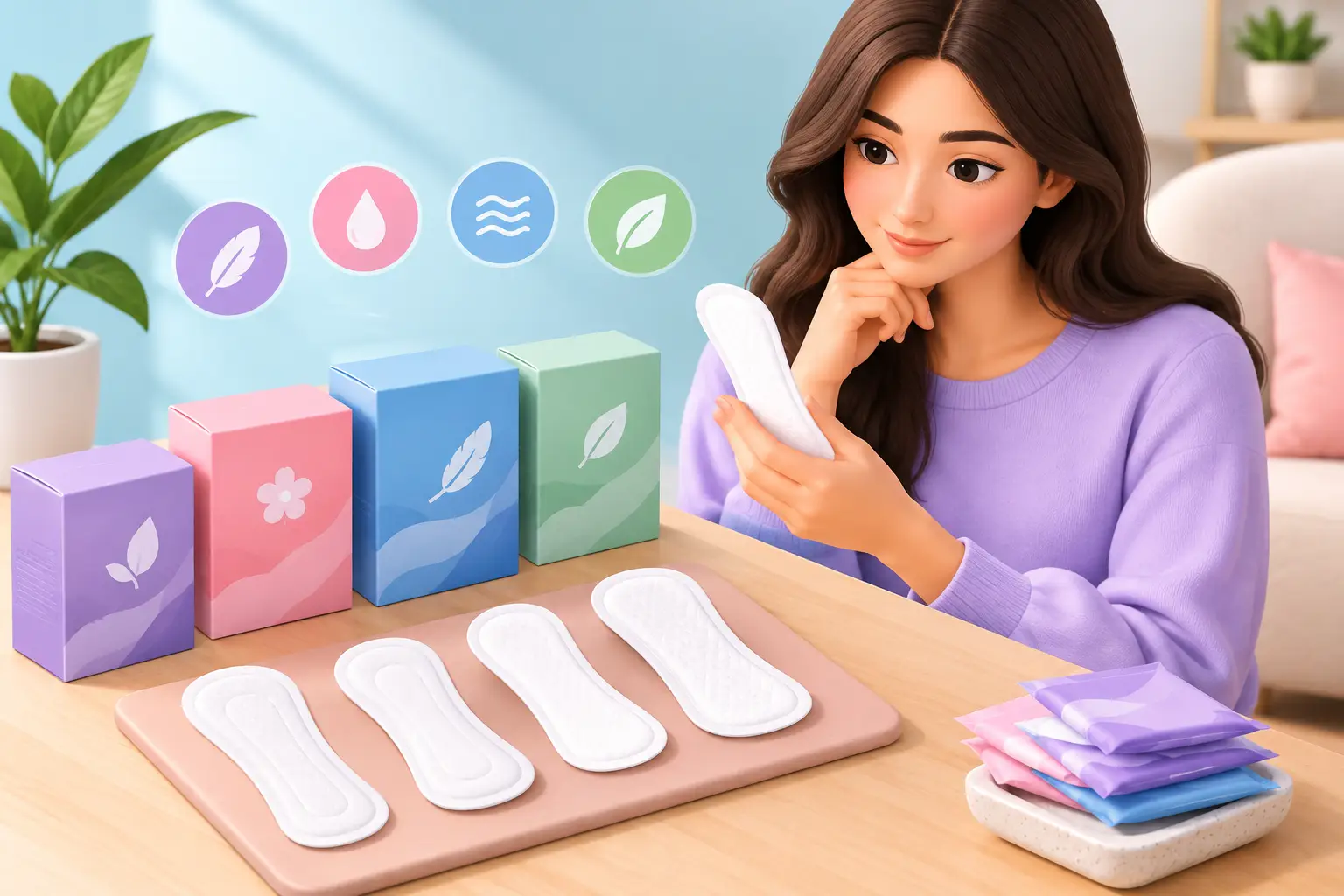
A panty liner should be the product you barely notice – until it gives you the fresh, protected feeling that helps you get on with your day. This guide to choosing panty liners focuses on what actually matters: a comfortable fit, skin-conscious materials, reliable absorbency and protection that suits your routine.
Panty liners are not simply smaller pads. They are designed for light, everyday moisture, discharge, spotting and the start or end of your period. The right one can make a school day, office shift, gym session or journey feel more comfortable. The wrong one can feel bulky, trap heat or leave sensitive skin feeling unsettled.
Start with why you need a panty liner
Your reason for wearing a liner should guide your choice. For everyday discharge, a thin, breathable liner is usually enough to keep underwear feeling fresh without adding unnecessary bulk. For light spotting, choose one with dependable absorbency and secure coverage. If you are approaching your period or dealing with light flow at the end of it, a liner can offer welcome reassurance, but it is not a replacement for a period pad when your flow is heavier.
Freshness is another common reason to wear liners, particularly during long days away from home. A good liner should help you feel dry and comfortable, not make you more aware of what you are wearing. If you find yourself adjusting it, worrying about odour or changing it because it has bunched up, the style or material may not be right for you.
Choose comfort before convenience
It can be tempting to pick whatever is easiest to grab from the shelf, but comfort deserves more attention. A liner sits against a sensitive area for hours at a time, so its surface and shape have a real impact on how you feel.
Look for a soft top layer that feels gentle against skin and a flexible core that moves with your body. A liner that is too stiff may crease as you walk or sit. One that is too narrow may shift or fail to cover the area where you need protection. Ultra-thin designs are ideal for many people because they offer discretion without the feeling of extra layers in your underwear.
Breathability matters too. Heat and moisture can contribute to discomfort, especially in close-fitting clothing or during warmer weather. A breathable liner supports a drier, more comfortable feel throughout the day. This is particularly useful if you spend long periods commuting, working, studying or travelling.
If you have sensitive skin
Sensitive skin is a reason to be selective, not resigned to irritation. Fragrance, harsh-feeling materials and liners that hold moisture close to the skin may not suit everyone. If you regularly experience rubbing, itching or a rash-like feeling, simplify your routine and choose products made with skin comfort in mind.
Prioritise liners that are fragrance-free where possible, soft on the skin and designed to help maintain dryness. It is also sensible to change your liner regularly. Even the most comfortable product is not meant to be worn all day without a change, particularly after exercise or on a humid day.
If irritation persists, stops you from feeling comfortable or comes with unusual symptoms, speak to a pharmacist, GP or sexual health professional. A panty liner can support everyday hygiene, but it should never mask a concern that needs care.
Match the shape to your underwear and day
A secure fit is part of feeling protected. The best shape depends on what you wear and how active you are. A standard liner works well with everyday briefs, while a longer option can provide extra coverage for spotting, a commute or overnight peace of mind. Some people prefer a wider back for more confidence when sitting for long periods.
Adhesive should hold the liner in place without making removal difficult or leaving residue on underwear. If your liner twists, folds or migrates as you move, try a different shape or length rather than assuming liners are not for you. Small design differences can make a big difference to comfort.
For leggings, fitted trousers or lighter fabrics, choose a thin, smooth liner that stays discreet. For exercise, you may prefer a flexible option with stronger hold and a dry-feel surface. Keep a few individually wrapped liners in your handbag, desk drawer or gym bag so you can change when needed.
Think about absorbency, not thickness
Thicker does not automatically mean more protective. Modern liners can be slim while still managing light moisture and spotting effectively. What matters is whether the absorbent core suits your needs and whether the top sheet helps moisture move away from the surface.
For everyday discharge, light absorbency is often the most comfortable choice. For occasional spotting or the days just before your period, choose a liner with a little more capacity or added length. If you are experiencing a flow that goes beyond light spotting, move to a pad designed for menstrual flow. Wearing a liner for a heavier flow can lead to leaks, dampness and discomfort.
Odour control is worth considering, but it should feel reassuring rather than heavily perfumed. Odour is often made worse when moisture sits against the body. A liner that promotes dryness and freshness can help you feel more confident without relying on overpowering fragrance.
Check what the liner is made from
The materials in everyday period care deserve the same attention you give to skincare or underwear. If you wear liners often, choosing a product with a considered construction can support greater peace of mind.
Microplastic-free options may appeal if you are reducing unnecessary plastic in your personal care routine. You may also want to look for clear information about the product’s skin-contact layer, absorbent core and hygiene features. Claims should be easy to understand, rather than hidden behind vague wording.
Elun’s panty liners are designed around this balance of comfort and protection, using antibacterial nano ribbon technology to support lasting freshness while remaining 100% microplastic-free. For people who want daily protection without compromising on a skin-conscious feel, that kind of product detail can be reassuring.
No single material or feature will suit every person. If you are trying a new liner, a smaller pack can be a practical place to start. Wear it during a normal day, notice how it feels after several hours and assess whether it stays in place, keeps you dry and feels kind to your skin.
How often should you change a panty liner?
As a general rule, change your liner whenever it feels damp, after exercise, or every few hours during regular wear. This helps you stay comfortable and supports a fresh feeling. There is no prize for making one liner last all day.
Carry spares when you know you will be out for a while. A fresh liner after a workout, before an evening plan or halfway through a long travel day can make a noticeable difference. Wrap used liners in the wrapper from your replacement or toilet paper, then place them in a bin. Do not flush them.
A simple checklist for choosing the right liner
Before you buy, ask whether the liner offers the level of absorbency you need, a shape that fits your underwear, a soft and breathable surface, and materials you feel good about wearing. Also consider whether the pack size fits your routine. Mini packs are useful for trying a new product or keeping in a handbag, while larger packs can make daily care easier at home.
Your needs may change across the month, with the weather, or depending on your plans. It is completely normal to keep more than one style on hand: a very thin liner for everyday freshness and a longer, more absorbent option for spotting or period transitions.
The right panty liner gives you quiet confidence. Choose one that feels comfortable enough to forget, protective enough to trust and considerate enough for the skin you live in every day.