

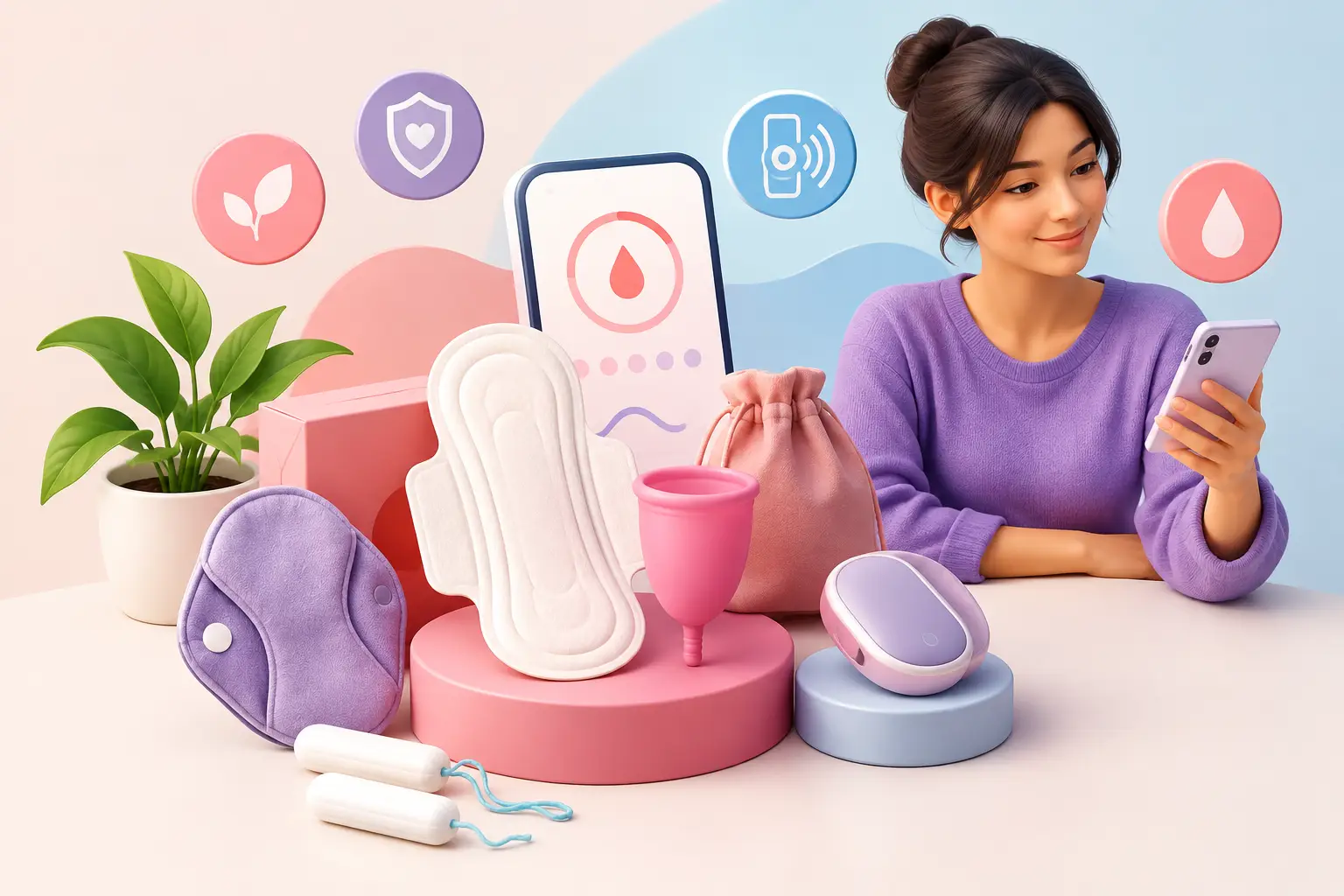
A pad can look slim, feel soft for five minutes and still leave you checking for leaks, odour or irritation by lunchtime. That is why menstrual care innovation trends are moving beyond pretty packaging and vague promises. The changes that matter are designed around real life: long school days, busy commutes, overnight protection, sensitive skin and the need to feel fresh without a second thought.
For anyone comparing period products more carefully, the best innovation is practical. It should help you feel dry, protected and comfortable – not make your routine more complicated.
Menstrual care innovation trends are becoming more skin-conscious
For years, absorbency was treated as the only measure of a good pad. Now, more people are looking at what sits against their skin, how a product handles moisture and whether it is likely to feel irritating over hours of wear.
This shift makes sense. The vulval area is sensitive, and friction, trapped moisture and prolonged contact with a damp surface can all add to discomfort. A pad that absorbs quickly but leaves a clammy feeling may not be the right choice for someone prone to rashes or irritation.
More thoughtful designs focus on breathable top layers, soft materials and structures that draw fluid away from the surface. The goal is not simply to absorb more. It is to keep the surface feeling drier, reduce rubbing and support comfort from the first day of a period to the last.
For sensitive skin, it is worth looking past front-of-pack wording. Consider whether the product is clinically tested, whether the materials and claims are clearly explained, and whether the brand gives you enough information to make a confident choice. Comfort is personal, so a sample pack can be a sensible way to find what works for your body before buying a larger supply.
Freshness technology is moving past fragrance
Odour concerns are common, especially during long days away from home. Yet fragrance is not always the answer. Scent can mask odour temporarily, but it may be unwelcome for people who prefer a simpler product or have particularly sensitive skin.
One of the more useful menstrual care innovation trends is the development of hygiene-focused materials that address freshness at the source. Antibacterial technologies, including nano ribbon technology, are being used in some pads to help limit the conditions that can contribute to unwanted odour while supporting a cleaner-feeling experience.
The important distinction is between a product that smells perfumed and one designed to help you feel fresher through effective moisture management and hygiene-conscious construction. Neither approach is automatically right for everyone. If you like scented products and have no sensitivity, that may be your preference. But if you want dependable freshness without relying on fragrance, look for clear information about how the pad is designed to perform.
Thinner pads are being asked to do more
Thinness is no longer a luxury feature. For many people, it is essential for confidence under school uniforms, workwear, leggings and occasion outfits. But a thinner pad only works if it can still manage flow, stay in place and protect against side leaks.
Modern absorbent cores are built to take in fluid quickly and spread it through the pad, rather than allowing it to pool in one spot. This can help reduce that sudden wet feeling and support a drier surface. Flexible shapes and secure wings also matter, particularly when you are walking, exercising or sitting for long periods.
There is a trade-off to consider. A very thin pad may be ideal for lighter days, while heavier flow or overnight use may call for greater coverage and a more absorbent core. The most useful product range gives you choices: panty liners for everyday backup, regular pads for daytime flow and longer night pads for fuller protection when you are asleep.
Overnight protection is becoming more intentional
Night-time leaks can disrupt sleep and create unnecessary stress before bed. Newer night pads increasingly use a longer, wider shape and more absorbency where it is needed most. This is particularly helpful if you move in your sleep or have a heavier flow at the start of your period.
A good night pad should feel secure without feeling bulky. It should also stay comfortable for several hours. If a pad bunches, shifts or feels damp overnight, extra length alone will not solve the problem. The full design – fit, surface feel, core and wings – needs to work together.
Microplastic-free choices are gaining attention
Many shoppers now want to know what their period products are made from, not just how well they absorb. This has put a stronger focus on materials, including microplastic-free construction and reduced use of unnecessary components.
Material choices are about both personal preference and environmental values. Some consumers are primarily concerned with limiting exposure to plastics close to sensitive skin. Others want to reduce the waste associated with disposable period care. Often, people care about both.
There is no single perfect choice for every routine. Reusable products can suit some people well, but they require washing, access to water and a level of practicality that may not work for school, travel or a busy household. Disposable pads remain an important option, especially when they are designed with more considered materials and clearly communicated product standards.
The key is transparency. Brands should make it easier to understand what a product contains and what a claim such as microplastic-free means in practice. Clear information helps you decide without guesswork.
Better period care means better everyday flexibility
Innovation is not only about what is inside a pad. It is also about how period care fits into daily life. Mini packs make it easier to keep supplies in a handbag, desk drawer or gym bag. Jumbo packs can reduce the worry of running out. Combo packs help you cover different flow days without filling your cupboard with separate purchases.
This is especially useful for people whose cycles are unpredictable. Having liners, daytime pads and night pads available means you can respond to what your body needs rather than trying to make one product do every job.
Convenient formats also make trying a new product less daunting. A smaller pack offers a low-pressure way to test the fit and feel, while free samples can help you compare comfort before committing. That matters when you are searching for a pad that feels reliable enough to forget about once you put it on.
What to look for when choosing an innovative pad
The strongest product claims should connect to a benefit you can actually feel. Ask whether the pad is designed for quick absorption, long-lasting dryness, comfortable movement, secure leak protection and freshness throughout the day. If you have sensitive skin, look closely at material information and clinical testing rather than relying on buzzwords alone.
It also helps to match the product to the moment. A discreet liner may be right for light spotting, but it is not a substitute for a full pad on a heavier day. A regular pad can be perfect for work or uni, while a longer night pad gives extra reassurance for sleep. Choosing well is not about finding one miracle product. It is about building a period-care routine that works with your flow and your life.
At Elun, this practical approach sits behind period care designed for comfort, hygiene and confidence, including antibacterial nano ribbon technology and 100% microplastic-free pads. The aim is simple: protection that feels considered from morning through to night.
The future of period care should feel less like a compromise. Choose products that respect sensitive skin, suit your routine and give you the quiet confidence to get on with your day.