

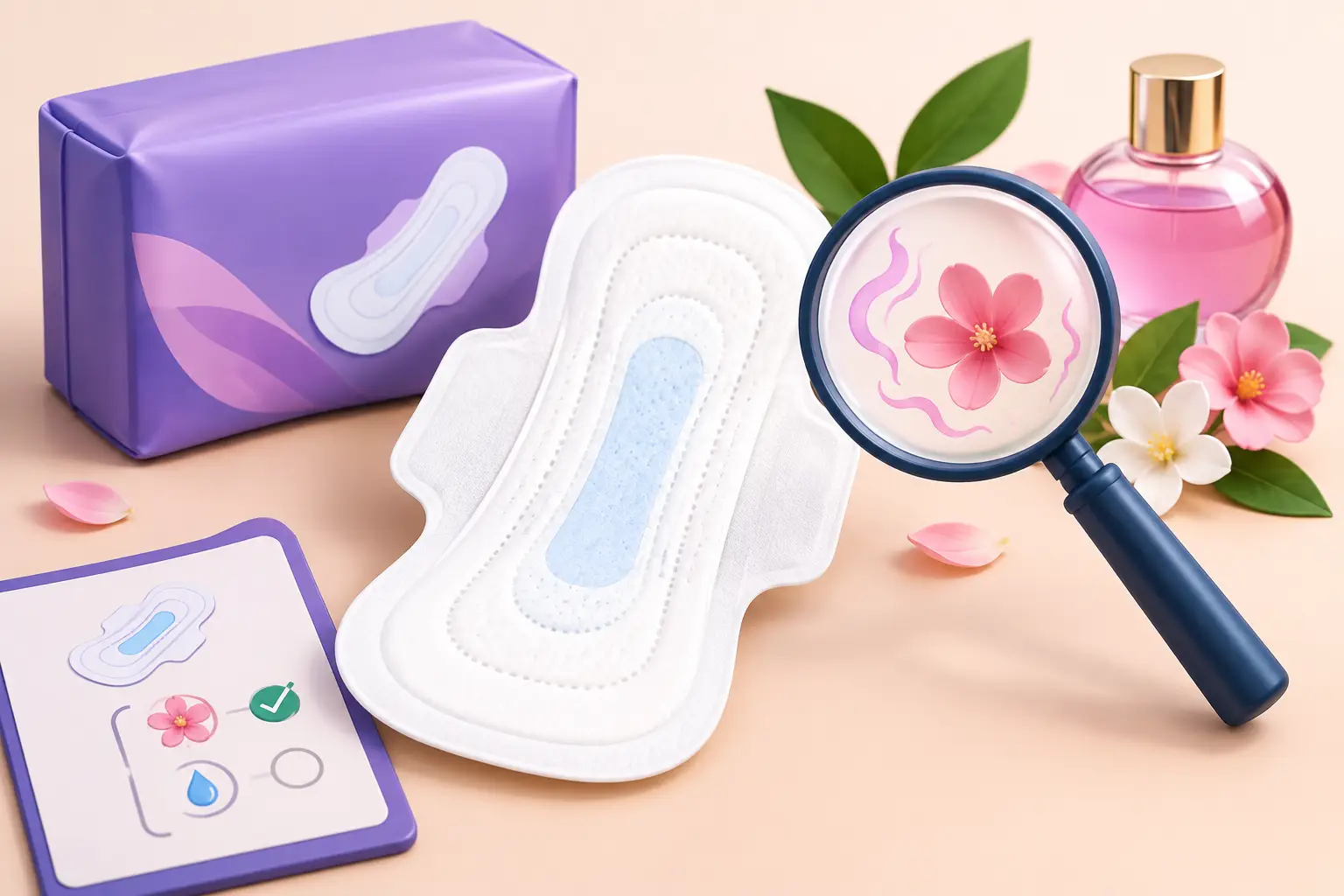
That fresh, floral scent in a period pad may seem reassuring, especially when you are worried about odour during a long school day, a busy shift or an overnight bleed. But do pads contain fragrance, and is scented protection the right choice for your skin? The answer depends on the product. Some pads include added fragrance, while others are made without it. Knowing how to tell the difference can help you choose period care that feels comfortable from morning to night.
For many people, fragrance is not automatically a problem. For others, particularly those with sensitive skin or a history of irritation, it can be one extra ingredient they would rather avoid. Your period products sit against a delicate area of skin for hours at a time. That makes clear labelling, breathable materials and the right level of protection worth paying attention to.
Do pads contain fragrance in every brand?
No. Pads are not all made the same, and fragrance is not a standard requirement. Some brands add perfume to the absorbent core, top sheet, wrapper or adhesive area to create a noticeable scent or to mask menstrual odour. Others make fragrance-free pads specifically for people who want a simpler option.
The quickest way to find out is to read the pack rather than relying on how it smells after opening. Look for wording such as “fragrance-free”, “unscented”, “perfumed” or “scented”. If the label is unclear, check the full ingredient or materials information provided by the manufacturer.
There is a small but useful distinction to keep in mind. “Unscented” often means no obvious perfume smell, but it does not always guarantee that no fragrance-related ingredient has been used. “Fragrance-free” is usually the clearer claim when avoiding added scent is your priority. Product terminology can differ between brands, so transparent information matters more than a single marketing phrase.
Why some pads use added fragrance
Fragrance is usually included for one reason: to make the product smell fresher. Period blood has a natural scent, and that scent can become stronger when blood is exposed to air, warmth and bacteria. A perfumed pad may temporarily cover the smell, which can appeal when you are out and about or changing in a shared toilet.
However, masking odour and managing its cause are different things. A pad that stays dry, absorbs fluid quickly and is changed regularly can support freshness without needing a strong perfume. This is especially relevant if your skin tends to feel itchy, sore or uncomfortable during your period.
It is also worth separating normal period odour from a sudden or unusually strong smell. A mild scent is common. If you notice a persistent fishy smell, pain, burning, unusual discharge or irritation that does not settle, speak with a GP or sexual health professional. A scented product is not a solution for symptoms that need medical advice.
Fragrance and sensitive skin: what is the concern?
The vulval area is sensitive by nature. Heat, friction, moisture and prolonged wear can make skin more vulnerable during a period, even before a fragranced product enters the picture. Added perfume can be an irritant for some people, particularly if they are prone to eczema, contact dermatitis, allergies or recurrent discomfort.
This does not mean every scented pad will cause a reaction. Skin responses are personal, and many people use fragranced pads without issue. Still, if you regularly experience itching, redness, stinging, a rash or soreness while wearing pads, switching to a fragrance-free option is a sensible first step.
Do not overlook other possible triggers either. Irritation can be linked to a pad that is too rough, too warm, not absorbent enough for your flow, worn for too long or combined with fragranced intimate washes, wipes or laundry products. It can take a little trial and observation to work out what your skin prefers.
Signs it may be time to change your pad choice
If discomfort starts shortly after you begin using a new product, that is useful information. Pay attention to whether symptoms improve when you switch brands or use a different style of pad. A pad should help you feel protected, not leave you counting down the minutes until you can change it.
For a gentler routine, choose a pad suited to your flow, change it every few hours or sooner when needed, and avoid using perfumed sprays or deodorants around the vulva. Wash externally with warm water or a mild, unperfumed cleanser if you use one. The vagina cleans itself, so internal cleansing products are not needed.
How to choose pads without fragrance
Start with the pack. Clear fragrance-free information is helpful, but it should not be the only thing you look for. The best pad for you needs to balance skin comfort with real protection against leaks, bunching and dampness.
Think about when and where you will use it. A lighter panty liner may work for spotting or the final days of your period, while a more absorbent pad is better for a heavier flow. For sleep, a longer night pad with wider coverage can provide reassurance when you move around. Using a pad that matches your flow reduces the chance of moisture sitting against the skin unnecessarily.
Materials also matter. If sustainability is part of your buying decision, look beyond surface claims and consider whether the product is designed without microplastics or unnecessary additives. Comfort and conscious choices can sit together. A thin pad does not have to mean less protection, and a skin-conscious pad should not require you to compromise on freshness or confidence.
Elun Hygiene focuses on period protection designed around those everyday needs, with microplastic-free pads and antibacterial nano ribbon technology intended to support dryness, freshness and comfortable wear. Whatever brand you choose, the key is to select products with claims you can understand and a feel that works for your body.
Freshness does not have to mean perfume
It is easy to associate a fragrance with cleanliness, but a floral scent is not proof that a pad is more hygienic. Effective menstrual care is about absorbency, dryness, fit and regular changing. When those basics are right, you should be able to get on with your day without feeling self-conscious.
Breathability can make a difference too. A pad that traps heat and moisture may feel uncomfortable, particularly in warmer weather, during exercise or on a long journey. Choose underwear that holds the pad securely without pressing it tightly against the skin, and carry a spare in your bag so you can change when you need to.
If odour is your main concern, consider your changing routine before reaching for fragrance. Used pads should be wrapped and disposed of in a sanitary bin, never flushed. A fresh pad at the right time will usually do more for comfort than perfume can.
When fragrance-free pads may be the better fit
Fragrance-free pads are often a practical choice if you have sensitive skin, have reacted to scented products before, are managing eczema or simply prefer fewer added ingredients near your intimate area. They can also make it easier to identify the cause if irritation appears, because there is one less potential trigger in your routine.
That said, there is no universal rule that every person must avoid fragrance. If you use scented pads and your skin feels calm and comfortable, you may decide they suit you. The best choice is informed, personal and based on how your body responds – not on the idea that perfume equals cleanliness.
Your period care should give you quiet confidence at school, at work, while travelling and while you sleep. Read the label, choose absorbency that matches your flow, and trust any recurring discomfort as a reason to reassess. Feeling fresh should never come at the expense of feeling comfortable in your own skin.