
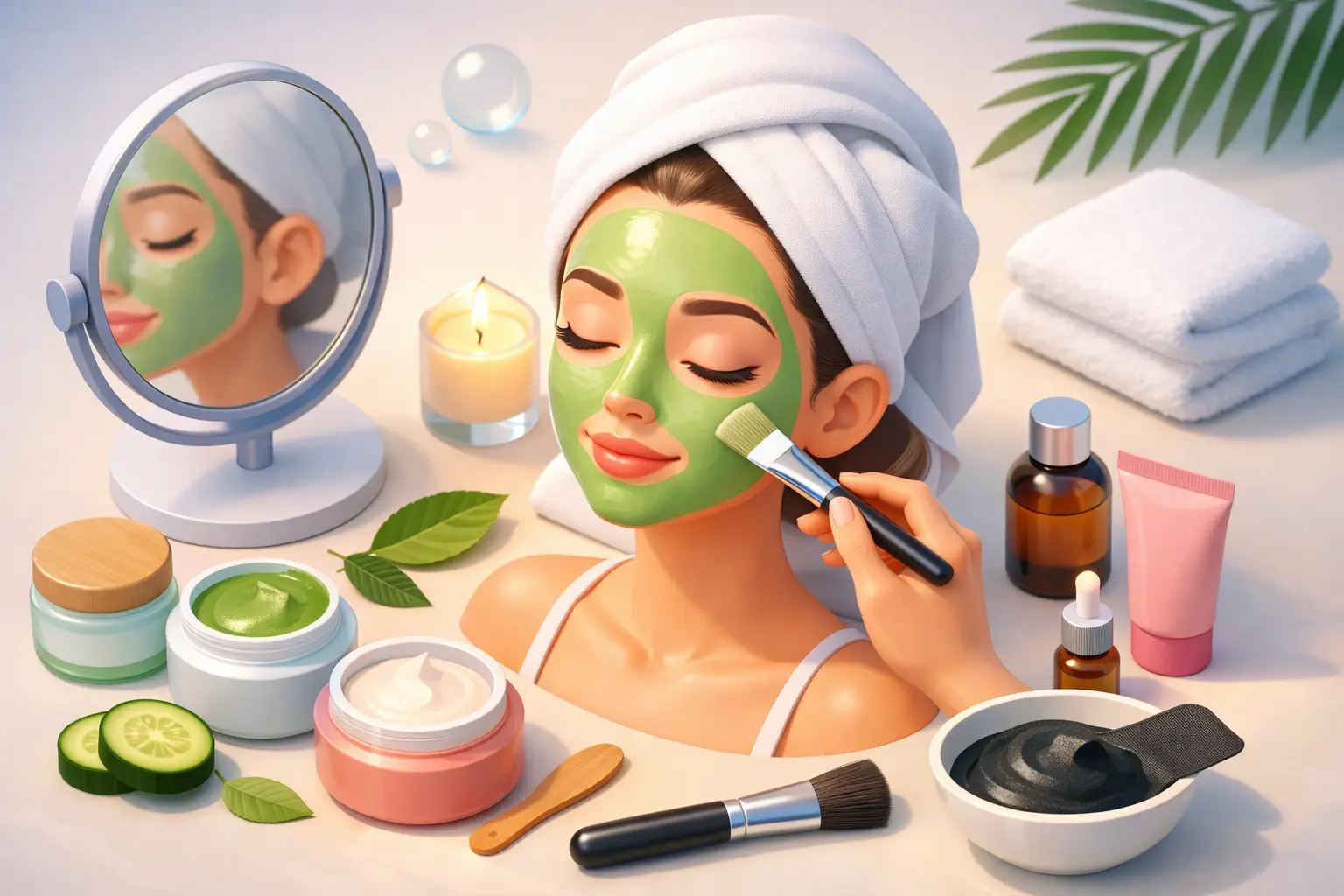
A face mask should feel like a small moment of care, not another complicated step in your routine. Knowing how to apply face masks properly helps you get the comfort and fresh-looking results you want, while reducing the chance of dryness, irritation or wasted product.
Whether you reach for a hydrating cream mask after a long day, a clarifying clay mask when your skin feels congested, or a soothing sheet mask before an occasion, the basics matter. Clean hands, clean skin and the right timing can make a noticeable difference.
Start by choosing the right mask for your skin
The best face mask is not always the strongest one. Your skin can change with your cycle, the weather, stress, travel and the products already in your routine, so choose based on what it needs that day.
A hydrating mask is a good choice when skin feels tight, dull or uncomfortable. Look for creamy or gel textures that leave the complexion feeling soft rather than stripped. Clay masks can suit oilier areas, especially the forehead, nose and chin, when you want to lift excess oil and surface build-up. If your skin is sensitive or looks flushed, choose a gentle, fragrance-light soothing formula and avoid piling on active ingredients.
Sheet masks are useful when you want an easy, no-mess boost of moisture. They can also feel especially comforting after travelling, a late night or time spent in dry indoor heating. Exfoliating masks need more care. If they contain acids, enzymes or scrubbing particles, use them only as directed and do not combine them with several other strong skincare products on the same evening.
How to apply face masks step by step
Applying a mask takes only a few minutes, but preparing your skin well makes the experience cleaner, more comfortable and more effective.
1. Wash your hands first
Your hands touch your face, your hair, your mobile phone and countless everyday surfaces. Start with clean hands to avoid transferring dirt, oil or bacteria into the product or onto freshly cleansed skin. If you use a jar mask, use a clean spatula where possible instead of dipping in with your fingers.
2. Cleanse without over-cleansing
Remove make-up, SPF, excess oil and the day’s build-up with a gentle cleanser suited to your skin. Pat your face dry with a clean towel rather than rubbing it. Most masks work best on clean, dry skin, unless the product instructions specifically say to apply to damp skin.
Avoid harsh cleansing just before masking. If your skin already feels squeaky, tight or irritated, a clay or exfoliating mask may make that feeling worse. Comfort is a useful guide: skincare should leave your skin feeling cared for, not challenged.
3. Apply an even layer
For cream, gel and clay masks, smooth a thin, even layer over your face using clean fingertips or a soft mask brush. You do not need a thick coating for the product to work. Applying too much can make removal harder and means you use more product than necessary.
Keep the mask away from your eyes, lips, nostrils and hairline unless the instructions say otherwise. These areas are often more delicate, and product can be difficult to remove from eyebrows and baby hairs.
If you are using a sheet mask, unfold it carefully and place it over your face, lining up the openings with your eyes, nose and mouth. Smooth out air bubbles so the sheet sits closely against the skin. This helps the serum stay where it is needed instead of slipping down your face.
4. Leave it on for the stated time
More time does not always mean better results. Set a timer and follow the label, particularly with clay, peel-off or active exfoliating masks. Leaving a clay mask on until it feels completely dry, cracked and uncomfortable can pull moisture from the skin. It is usually better to remove it while it is still slightly soft.
Use the waiting time as a genuine pause. Sit back, make a warm drink, read a few pages or simply give yourself ten quiet minutes. Self-care does not need to be elaborate to be worthwhile.
5. Remove gently and completely
Rinse wash-off masks away with lukewarm water and a soft flannel or reusable cleansing cloth if needed. Do not scrub at your skin to remove stubborn patches. A little water, patience and gentle circular movements are enough.
For a sheet mask, lift it away and lightly press the remaining serum into your face and neck. There is usually no need to rinse afterwards. If the finish feels overly sticky for your preference, allow it a minute or two to settle before applying moisturiser.
6. Follow with simple skincare
After a hydrating or soothing mask, seal in comfort with moisturiser. During the day, finish with SPF. After a clarifying or exfoliating mask, keep the rest of your routine calm and uncomplicated. A gentle moisturiser is often all your skin needs.
This is not the best time to layer strong retinoids, acids, scrubs or heavily fragranced products. When your skin barrier is supported, it is more likely to feel smooth, balanced and comfortable.
How often should you use a face mask?
It depends on the type of mask and how your skin responds. Hydrating masks may be suitable two or three times a week, or more often if the formula is designed for frequent use. Clay masks are often best once or twice weekly, particularly if your skin can become dry or sensitive. Exfoliating masks may only be needed once a week, and sometimes less.
Pay attention to changes in your skin rather than following a rigid schedule. If you notice stinging, redness, flaking or new sensitivity, stop using the product and simplify your routine until your skin feels settled. For persistent irritation or a skin concern that does not improve, speak to a pharmacist, GP or dermatologist.
Common face mask mistakes to avoid
One common mistake is masking over make-up or sunscreen. The product cannot sit properly against the skin, and you may trap the day’s grime underneath. Another is using a mask to fix every concern at once. Dryness, breakouts and sensitivity can need different care, so choose one clear goal for each application.
Be cautious with mixing products, too. An exfoliating mask followed by a strong spot treatment, retinoid and acne patch may feel like a powerful routine, but it can leave your skin sore and compromised. If you use acne patches, apply them to clean, dry skin as directed, and avoid covering them with a face mask unless the product guidance specifically allows it.
Finally, do not ignore hygiene. Keep lids tightly closed, avoid sharing masks, check the expiry date and store products away from direct sunlight or steamy bathroom heat where possible. Small habits help protect both your product and your skin.
A face mask routine that feels good
A face mask works best when it fits your real life. You might use a gentle hydrating formula on a Sunday evening, keep a sheet mask for the night before an event, or apply a clarifying mask just to your T-zone when it feels oily. There is no prize for doing more.
The most confidence-boosting skincare routine is one that respects your skin’s comfort, stays clean and is easy enough to repeat. Take the time, follow the directions and let those few quiet minutes be care you can actually feel.