
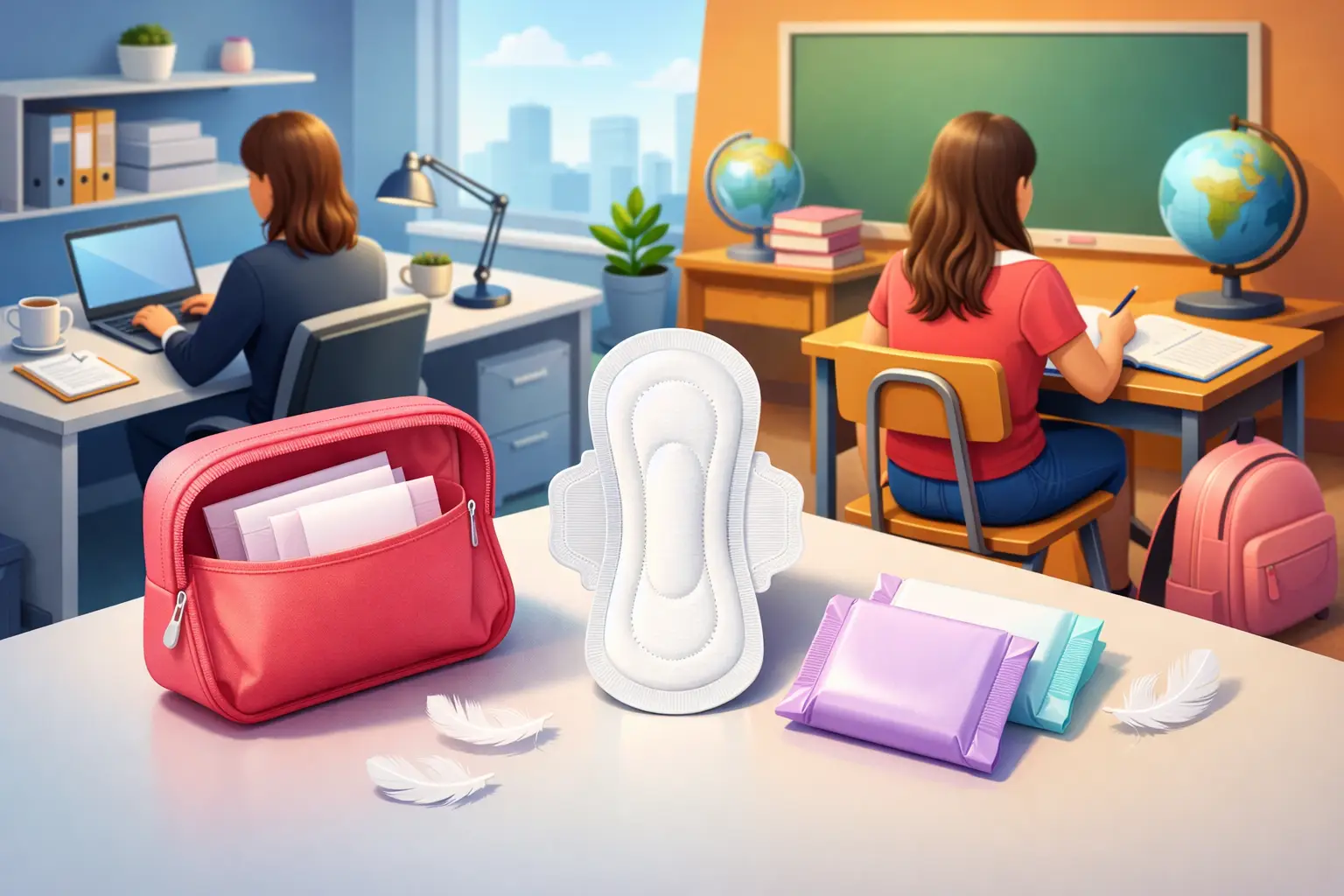
A pad should not be the loudest thing you notice during your period. If it bunches, rubs, shifts when you walk or leaves you feeling damp, it can make a normal school day, commute or work meeting feel much longer. Learning how to wear pads comfortably starts with the right fit, but it also comes down to placement, changing at the right time and choosing materials that are kind to your skin.
Comfort is personal. Your flow, underwear style, movement and skin sensitivity can all affect which pad feels best. The goal is simple: secure protection that stays discreet, dry and comfortable while you get on with your day.
How to wear pads comfortably from the start
Begin with clean, dry hands and fresh underwear. Remove the backing paper from the pad, then press the sticky side firmly into the centre of the gusset – the lined section of your knickers. The wider end should usually sit towards the back, especially if your flow tends to move backwards when you sit or sleep.
Before pulling your underwear up fully, check that the pad is lying flat. A pad placed too far forward can feel bulky and may not protect where you need it. Too far back, and it can shift or leave the front of your underwear unprotected. It may take a couple of tries to find your best position, particularly when trying a new shape or size.
If your pad has wings, fold them smoothly around the outside of your underwear and press them down. Wings help hold the pad in place, reduce side leaks and limit the rubbing that can happen when an edge moves against your skin. They should feel secure, not tight or twisted.
Once it is on, move around for a moment. Sit down, walk a few steps and bend gently. If the pad feels folded, pulls at your skin or seems off-centre, adjust it straight away. A small repositioning now is far more comfortable than spending hours trying to ignore it.
Choose the right pad for your flow and routine
Wearing a pad comfortably is much easier when its absorbency matches your flow. Using a very thick pad on a light day can feel warm and bulky, while a light pad on a heavy day can leave you worrying about leaks and changing constantly.
For lighter days, a slim pad or panty liner may give you the breathable, barely-there feel you want. For regular flow, choose a pad with reliable absorbency and flexible wings. On heavier days, a longer pad with stronger absorbency and wider back coverage can offer more confidence, particularly if you will be away from home for several hours.
Night pads are not only for bedtime. Their longer shape can be useful for long journeys, a busy shift, travel days or any time you know you will be sitting for extended periods. The trade-off is that they can feel more substantial, so they may not be your favourite for every day. Keep a mix of options in your bag rather than expecting one pad style to cover every part of your cycle.
Material matters too, especially if you are prone to irritation. Look for pads designed with sensitive skin in mind, with a soft top layer and without materials you know do not suit you. Microplastic-free options can also be a considered choice for people seeking a more mindful period-care routine. Elun pads use antibacterial nano ribbon technology to support lasting freshness, odour control and dryness without compromising on comfort.
Prevent rubbing, rashes and that damp feeling
Friction is one of the most common reasons pads become uncomfortable. It can happen when a pad is too wide for your underwear, when wings are creased, or when the pad has become full and begins to move. The first solution is fit: choose underwear with a full cotton-lined gusset that can hold the adhesive securely. Very narrow, loose or silky underwear may allow the pad to shift more easily.
Change your pad regularly, even if your flow is light. There is no single timetable that suits everyone, but many people feel most comfortable changing every three to four hours during the day. On heavier days, you may need to change sooner. A fresh pad helps reduce moisture, odour and the chance of irritation.
When changing, wipe from front to back if needed, then pat the area dry rather than rubbing. Avoid strongly fragranced sprays, powders or intimate washes, which can upset sensitive skin and make discomfort worse. The vulva does not need perfume to be clean. Gentle washing with warm water during your usual shower is normally enough for external care.
If you notice soreness, give the area a little breathing room when you can. Choose loose, breathable clothing at home and avoid wearing a pad longer than necessary after your period has finished. A rash that is severe, persistent, painful or accompanied by unusual discharge should be discussed with a GP, pharmacist or sexual health clinic. Comfort should improve with the right product and care, not become something you have to endure.
Dress for movement, not for worry
Pads should move with you, not against you. If you are heading to the gym, walking between lectures, running for the train or spending the day on your feet, a thin, flexible pad with wings is often more comfortable than a stiff, bulky option. Fitted cycling shorts or supportive underwear underneath a dress or skirt can also help keep everything steady without feeling restrictive.
For work and school, pack more than you think you need. A small period pouch with spare pads, fresh underwear and a discreet disposal bag can make a surprise early period or heavier day feel manageable. Keeping supplies close means you do not have to stretch one pad past its comfortable limit.
Dark trousers can offer peace of mind on a heavy day, but confidence should not rely on your outfit alone. The right pad, positioned well and changed when needed, gives better protection than constantly checking for leaks. If leaking happens repeatedly, try a longer or more absorbent option before assuming that pads simply do not work for you.
Get night-time placement right
Sleeping can change how period blood flows, especially if you sleep on your back or move around a lot. Place a night pad slightly further back than you would during the day, with the longer section covering the area most likely to need protection. Make sure the wings are flat and firmly attached before bed.
A dedicated night pad is usually more comfortable than layering two daytime pads together. Layering can create raised edges and gaps, which may cause leaks or rub against your skin. If you have a very heavy flow, consider changing just before sleep and again as soon as you wake up. Some people also prefer period underwear as additional back-up, but it should feel like a choice that helps you rest, not another complicated rule.
Small adjustments that make a real difference
If your pad keeps twisting, try a different underwear cut before changing the pad itself. If the edges chafe, a softer or narrower design may suit you better. If you feel damp quickly, you may need more absorbency or a pad with a better dry-feel top layer. If odour concerns are making you self-conscious, regular changes and breathable materials usually make the biggest difference.
Your period can also vary from month to month. A pad that felt perfect last cycle may feel less suitable during a heavier, more active or more sensitive month. There is nothing fussy about adapting your period care to what your body needs that day.
The most comfortable pad routine is the one that lets you forget about your pad for a while. Choose a fit that stays put, keep a fresh supply nearby and listen when your skin tells you something is not working. A little more comfort can create a lot more freedom in your day.