

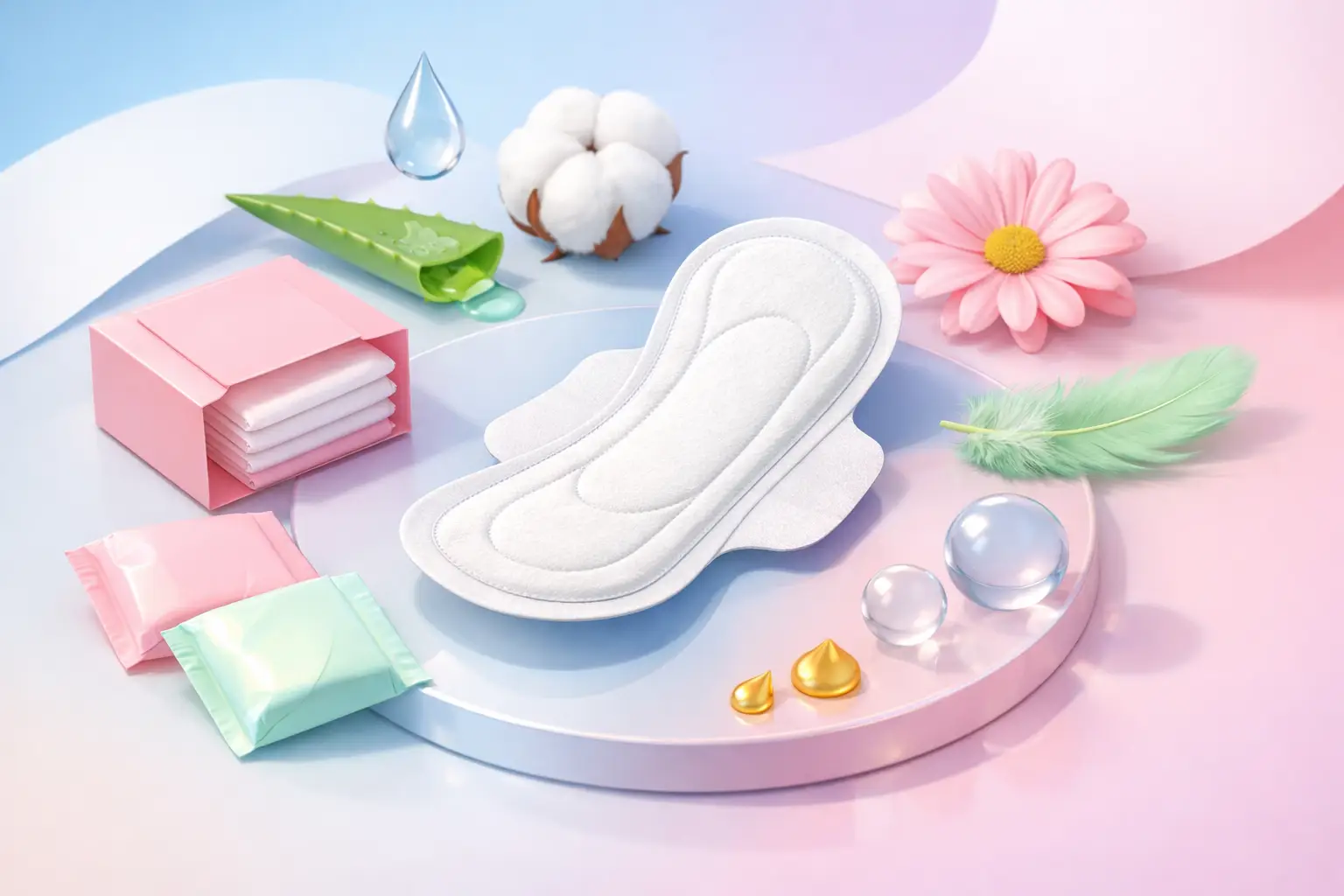
A daily liner should be the product you forget you are wearing. If it rubs, traps heat, bunches in your underwear or leaves you feeling damp by lunchtime, it is not giving your skin the gentle support it deserves. The right daily liners for sensitive skin can help you feel fresh and protected through everyday discharge, light spotting and the final days of your period – without adding irritation to your routine.
For many people, sensitivity is not caused by one single thing. It can be a combination of friction, moisture, fragrance, adhesive, non-breathable materials and wearing the same liner for too long. That is why comfort is about more than choosing the thinnest option on the shelf. It is about choosing a liner designed to work with your body, not against it.
What sensitive skin needs from a daily liner
The vulval area is naturally warm and delicate, so the materials held against it matter. A liner that feels soft at first can still become uncomfortable after several hours if it holds onto moisture or restricts airflow. Look for a design that balances discreet protection with breathability and a dry feel.
A comfortable daily liner should sit securely without feeling stiff. It should flex as you move, whether you are walking to the station, sitting through lessons, working a long shift or travelling. When a liner shifts or folds, the edges can create friction in exactly the area you want to keep comfortable.
Absorbency matters too, even for light daily use. The goal is not a thick, bulky layer. It is quick absorption that helps move light moisture away from the surface, leaving you feeling dry rather than sticky. This can make a real difference on warmer days, during busy commutes and whenever you are wearing close-fitting clothes.
Daily liners for sensitive skin: key features to check
Start with the materials and product claims, not just the pack colour or a familiar brand name. Sensitive skin is personal, and what works well for a friend may not be the best match for you. Still, a few thoughtful features are worth prioritising.
Choose a soft, breathable surface
Breathability helps reduce the clammy feeling that can make skin more prone to discomfort. A soft top layer is equally valuable because your liner sits close to sensitive skin for hours at a time. If a product feels plasticky, scratchy or overly perfumed when you take it out of the wrapper, it may not be the most reassuring choice for everyday wear.
Microplastic-free construction can also be an important consideration for shoppers who want to reduce unnecessary plastic exposure in their personal-care routine. It is a practical choice that supports a more considered approach to daily hygiene, without asking you to compromise on convenience.
Be careful with fragrance if you are prone to irritation
A fresh feeling should come from cleanliness, dryness and reliable odour control, not from a strong scent. Fragrance can be enjoyable for some people, but if your skin is easily irritated or you have reacted to scented intimate products before, a fragrance-free or low-irritation option is often the safer place to start.
Normal discharge has its own natural scent, and it can vary across your cycle. A liner is there to keep you comfortable, not to mask a concern that needs attention. If you notice a sudden strong odour, unusual colour, pain, itching or discharge that is different for you, speak with a pharmacist, GP or sexual health clinic rather than trying to cover it with a scented product.
Look for protection that stays in place
Wingless liners are designed for discreet, everyday wear, but they still need an adhesive that holds them in position. A liner that slides around can cause rubbing and leave you feeling less protected. At the same time, the adhesive should not make removal difficult or leave residue on your underwear.
Fit is not one-size-fits-all. A petite liner may suit light discharge and small underwear styles, while a longer option can feel more secure for light spotting, exercise or the beginning and end of a period. It depends on your flow, your movement and what makes you feel confident.
Prioritise dryness over thickness
Thin liners are popular because they are discreet, but thin alone does not guarantee comfort. A very thin liner that becomes damp quickly can feel less comfortable than a slightly more absorbent one with a dry top layer. The best option is the one that manages everyday moisture without making you constantly aware of it.
Elun’s sensitive-skin approach focuses on comfort, antibacterial nano ribbon technology and a microplastic-free design, helping support freshness and a dry feel without unnecessary bulk. When comparing liners, look for clear information about what the product is designed to do and how it supports skin comfort.
How often should you change a daily liner?
There is no fixed timetable that suits every body and every day. Change your liner whenever it feels moist, soiled, uncomfortable or no longer fresh. For many people, that means changing it every few hours rather than wearing one from morning until bedtime.
Regular changes reduce prolonged contact with moisture and help you stay comfortable. They are especially useful during hot weather, after exercise, when travelling, or on days when discharge is heavier than usual. Keep a few individually wrapped liners in your handbag, school bag or desk drawer so a fresh change is always easy.
If you are using a liner for light period spotting, you may need to change it more frequently or switch to a light pad if your flow increases. Daily liners are made for light protection. They are not a substitute for a period pad when you need more absorbency or leak coverage.
Small habits that can make a big difference
The liner you choose matters, but so does the routine around it. Wash the external genital area gently with warm water or a mild, unfragranced cleanser if you use one. Avoid harsh soaps, deodorant sprays and fragranced wipes around the vulva, particularly if you are already dealing with sensitivity.
Choose breathable underwear where possible, and change out of sweaty gym clothes or wet swimwear promptly. Tight synthetic fabrics can sometimes increase heat and rubbing, so it may help to alternate styles if you notice irritation after particular outfits.
It is also worth giving yourself liner-free time when you can. You do not need to wear a panty liner every day simply because it is available. Some people love the reassurance of a liner for work or travel, while others only use one around ovulation, for spotting or near the end of their period. Your comfort should guide the habit.
When a daily liner is not the answer
If you keep experiencing burning, persistent itching, swelling, soreness or a rash, stop using the product that may be causing the problem and seek professional advice. Skin irritation can have several causes, including dermatitis, thrush, bacterial vaginosis and reactions to products or laundry detergent. Guessing can prolong discomfort.
The same applies if you find yourself changing liners very frequently because of heavy discharge or bleeding. A liner can offer useful everyday protection, but your body deserves attention when something feels unusual. Choosing gentler products is a positive step, and getting support when you need it is part of caring for yourself too.
The most reassuring daily liner is one that lets you move through your day without checking, adjusting or worrying. Choose softness, dryness and breathable protection, change when needed, and let comfort be the standard – not a bonus.