

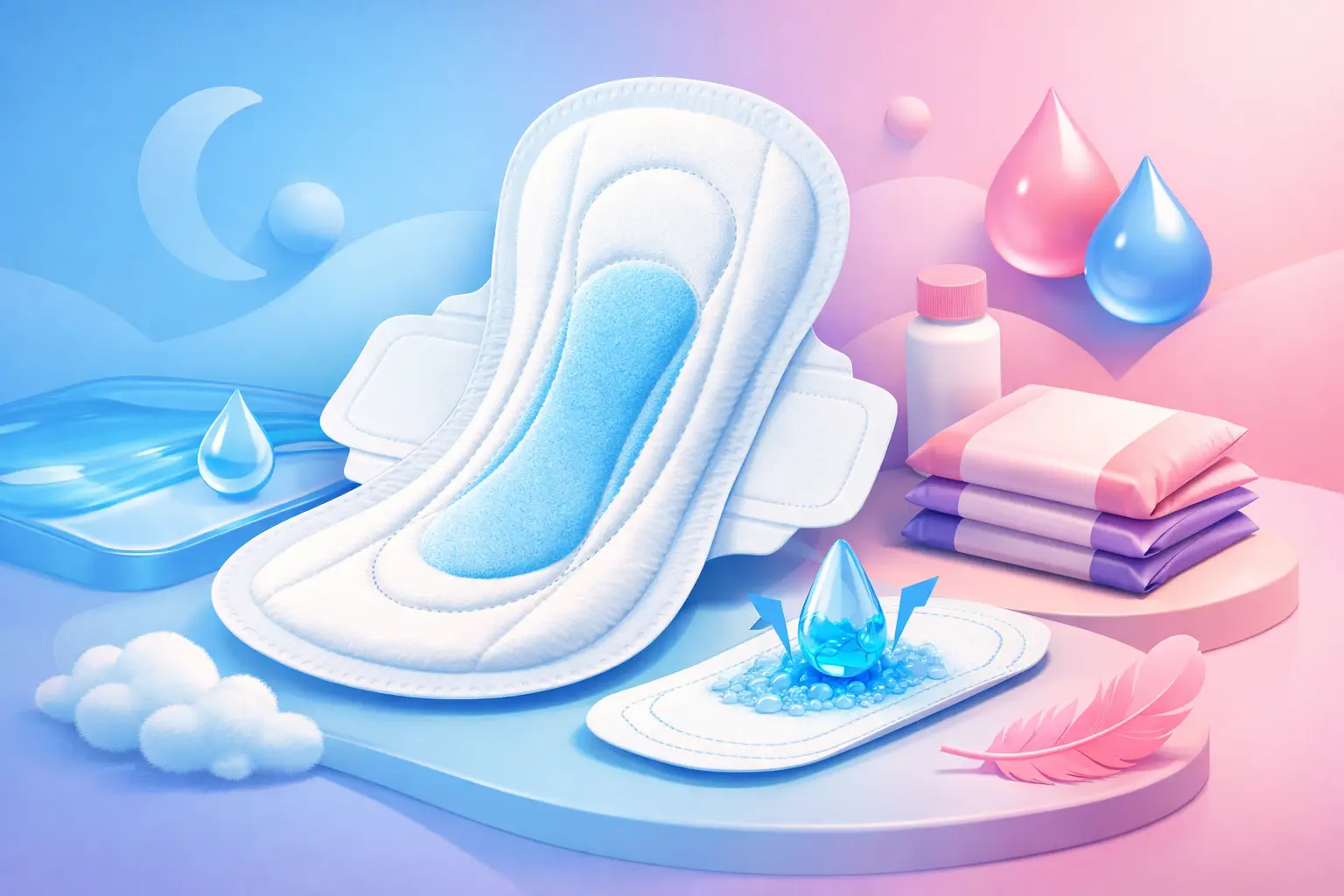
A heavier period can make an ordinary day feel unnecessarily complicated. You may be checking for leaks before a meeting, packing spare underwear for a journey, or waking up worried that your pad will not last through the night. This guide to heavy flow pads is here to make the choice clearer, so you can find protection that feels secure, comfortable and kind to your skin.
Heavy flow protection is not only about choosing the thickest pad available. The right pad should absorb quickly, stay in place as you move and help you feel fresh without leaving you hot, bulky or irritated. Your flow, body shape, routine and skin sensitivity all matter.
What makes a pad suitable for a heavy flow?
A heavy flow pad is designed to manage more menstrual fluid than a regular day pad. It usually has a more absorbent core, a wider or longer shape, and stronger leak protection around the edges or back. But capacity alone does not guarantee comfort.
Look for a pad that draws fluid away from the surface quickly. When fluid sits close to the skin, it can leave you feeling damp and can contribute to rubbing, especially on long school, work or travel days. A dry-feel top layer and an absorbent core work together to keep moisture contained while helping the pad feel lighter against your body.
Shape matters just as much. A pad with wings can offer added security by holding the pad in place and protecting the sides of your underwear. For many people, a wider back is especially useful during sleep or when sitting for long periods, as flow can move backwards depending on your position.
If you have sensitive skin, consider the materials as carefully as the absorbency level. Fragrance, a rough surface or a pad that traps heat may not suit everyone. Skin-conscious options designed for comfort, with breathable-feeling layers and no unnecessary harshness, can make a noticeable difference over several days of wear.
Choosing heavy flow pads for your routine
Your heaviest day may not need the same pad as your busiest day. A long, absorbent pad can be ideal when you cannot change as often, while a slimmer heavy-flow option may feel more comfortable under fitted clothes. There is no single best choice for every situation.
For work, school and days out
Choose a pad that gives you dependable coverage without feeling bulky. Wings, a secure adhesive backing and fast absorption are useful when you are walking between appointments, commuting or simply do not want to think about your period every hour.
Keep a small supply in your bag, including a spare pair of underwear if that helps you feel more prepared. Individually wrapped pads are particularly practical for discreet changes in workplace or school toilets. Changing regularly is still a good habit, even with a high-absorbency pad, because comfort and freshness matter as much as capacity.
For sleep
Night pads are usually longer and wider at the back to protect you while lying down and turning over. If you regularly wake with leaks, length is often the missing feature rather than absorbency alone. Position the wider end towards the back of your underwear, and wear close-fitting, comfortable knickers to help the pad stay flat.
On very heavy nights, it can help to change into a fresh night pad just before bed, even if your previous pad is not fully used. This gives you the best chance of starting the night dry and protected.
For travelling and active days
Movement, warm weather and limited access to a toilet can make a heavy period feel more challenging. A flexible pad that follows your body is less likely to bunch or shift. Pack more pads than you expect to use, especially for a long journey, a festival, a day at the beach or a flight.
Dark clothing can offer peace of mind, but it should not be your only plan. Reliable protection, a change of pad when needed and a small disposal bag can make travelling feel far less stressful.
How often should you change a heavy flow pad?
There is no exact timetable that works for everybody. Change your pad when it feels wet, uncomfortable or close to full, and do not wait for a leak to tell you it is time. On heavier days, this may mean changing every few hours. Always follow the guidance on the pack too.
Changing sooner can help you feel cleaner and reduce the chance of irritation caused by prolonged moisture and friction. It also lets you learn your own pattern. Some people have a much heavier flow in the morning; others notice it after exercise or on the first two days of their period.
A useful check is to look at where the pad is absorbing. If the front or back fills first while much of the centre remains dry, a different length, shape or placement may suit you better. Move the pad slightly forward or backward based on where your flow tends to sit.
Comfort matters when your skin is sensitive
Period rashes and irritation are common, but they should not be treated as something you simply have to put up with. Heat, moisture, rubbing and certain materials can all play a part. If your skin feels sore, itchy or uncomfortable, switch to a fresh pad promptly and consider a softer, skin-focused option.
Avoid using scented products around the vulva, as they can aggravate sensitive skin. Washing the external area with warm water and keeping your routine simple is often the most comfortable approach during your period. Breathable cotton underwear can also reduce rubbing and help you feel less sweaty.
For extra reassurance, choose pads made with thoughtful hygiene features. Elun pads use antibacterial nano ribbon technology to support freshness and odour control while helping you feel dry and protected throughout the day or night. Microplastic-free construction is another consideration for those who want period care that feels gentler on both skin and the planet.
Signs you may need more than a different pad
A heavy period is not always a cause for concern, but it is worth speaking to a GP if your bleeding has changed suddenly, is affecting daily life, or regularly feels impossible to manage with appropriate protection. Seek advice if you are soaking through a pad every hour for several hours, passing large clots, bleeding for more than seven days, or feeling unusually tired, dizzy or short of breath.
Heavy bleeding can have different causes, and getting support is a practical act of self-care. A GP can discuss your symptoms, check for possible anaemia and help you explore treatment options if needed. You deserve answers, not just workarounds.
A better way to feel prepared on heavy days
The best heavy flow pad is the one that suits your body and lets you get on with your plans. Prioritise fast absorption, secure fit, the right length for the time of day and materials that feel good against your skin. It may take a cycle or two to find your preferred combination of day pads and night pads, and that is completely normal.
Keep the products you trust within reach, change when your body tells you to, and give yourself permission to choose comfort without compromise. A heavy flow deserves dependable care – and you deserve to move through every day with confidence.