

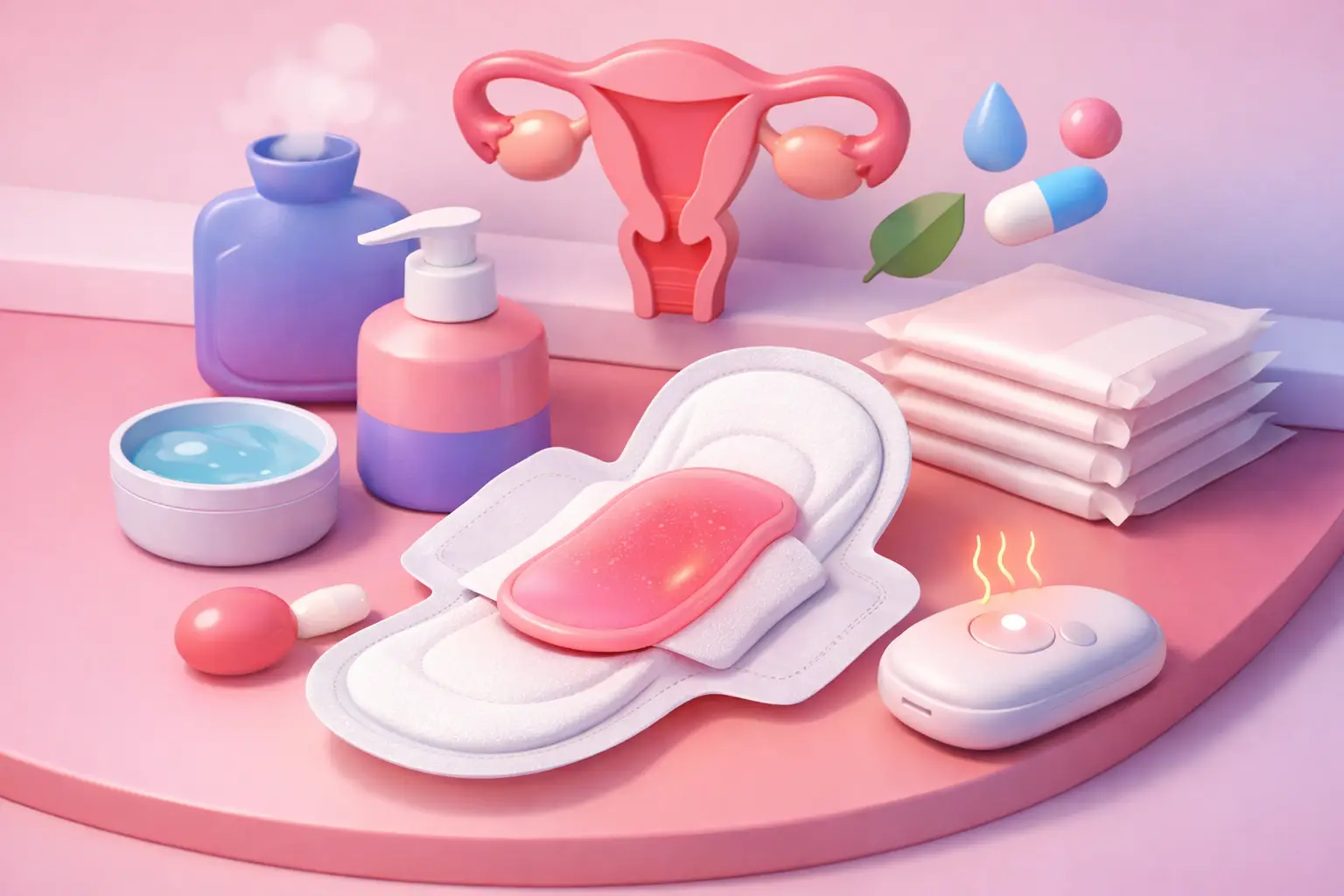
That first cramp can change the mood of your whole day. One minute you are getting on with work, classes or errands, and the next you are curled over your desk wishing you had planned ahead. That is exactly why so many people look for period cramps relief pads – not just for absorption, but for comfort that helps them feel more in control.
The tricky part is that not every product described as helpful for cramps actually feels good on the body for hours at a time. Relief matters, but so do softness, breathability, hygiene and staying dry. If a pad helps with one problem but leaves you feeling irritated, sweaty or self-conscious, it is not really doing the full job.
What period cramps relief pads actually do
When people talk about period cramps relief pads, they are usually referring to one of two things. The first is a heated patch or pad designed to sit against the lower abdomen or lower back and provide warmth. The second is a menstrual pad built with comfort-focused materials that reduce the extra irritation and dampness that can make cramp days feel worse.
Heat can be genuinely helpful for period pain. It encourages muscles to relax, which may ease the tight, gripping feeling that comes with uterine contractions. For some people, that warmth feels almost immediate. For others, it takes the edge off rather than removing pain completely. Both are valid outcomes.
But there is another layer people often overlook. On cramp-heavy days, your body can feel more sensitive overall. Anything scratchy, bulky, overly plastic-feeling or prone to trapping moisture can add to discomfort. That is why the right pad matters even if it is not a dedicated heat product.
Why comfort matters as much as pain relief
Cramps rarely show up on their own. They often come with bloating, lower back ache, tenderness, fatigue and that general feeling that your body has less patience than usual. A pad that rubs, shifts or feels damp can become one more thing you have to manage.
A good period pad should support comfort in a few ways at once. It should feel soft against sensitive skin, keep the surface drier for longer, and help you feel fresh rather than overly aware of it. Thin, flexible designs can also make a difference, especially if you are trying to get through a normal day rather than staying in bed with a hot water bottle.
This is where material choice becomes more important than many brands admit. If your skin is prone to rashes or irritation during your period, overly harsh materials can turn a painful day into a miserable one. Skin-conscious options with a focus on hygiene and dryness tend to feel better over long wear, especially when flow and discomfort peak at the same time.
Heat helps, but it depends on the kind of pain
Heat works best for the classic dull, tight or throbbing cramp in the lower abdomen or back. If your cramps feel muscular and heavy, warmth is often a simple and effective option. Many people use heat pads during the first day or two of their period, when contractions are usually strongest.
That said, heat is not a cure-all. If your pain is sharp, suddenly much worse than usual, or comes with symptoms like fainting, vomiting or unusually heavy bleeding, a heating product should not be the only answer. Relief products are there to support you, not to replace medical advice when something feels off.
There is also the issue of timing. Some people want strong warmth for an hour on the sofa. Others need gentle, wearable comfort while commuting, sitting through meetings or walking around campus. A product that sounds good in theory can be frustrating in practice if it shifts, overheats or feels bulky under clothes.
Choosing period cramps relief pads for everyday wear
If you are shopping for something to help on cramp days, start with your actual routine rather than the packaging claims. Ask yourself where and when you need the most support.
If you mainly want soothing heat, a dedicated warming patch for the lower stomach or back may be the best fit. If your bigger issue is feeling tender, irritated and uncomfortable while managing your flow, focus on a menstrual pad that improves dryness, softness and freshness throughout the day.
The best everyday options tend to have a few things in common. They feel light but secure, do not create a bulky outline under clothing, and stay breathable enough that you do not feel sticky after a few hours. Good absorbency matters, of course, but comfort is what turns a functional pad into one you actually trust when your body is not at its best.
For sensitive skin, it is worth looking closely at what the pad is made from and what claims are backed by testing. Antibacterial protection, irritation reduction and microplastic-free materials are not just nice extra details. They can directly affect how clean, calm and comfortable you feel over a full day or night.
Skin-friendly design makes a bigger difference than you think
On your period, friction feels worse. Moisture feels worse. Even a slight rash can feel amplified when cramps are already draining your energy. That is why a skin-first approach is one of the smartest things to prioritise.
A rash-free, clinically tested pad can help reduce one of the most common frustrations people accept as normal. It is not normal to feel sore just because you are wearing protection. Better materials and better surface design can lower the chances of redness, rubbing and that clammy feeling that makes you want to change sooner than necessary.
Hygiene matters here too. Pads that support freshness and odour control can help you feel more secure during long days, especially at school, work or while travelling. When you are dealing with cramps, that extra reassurance counts. You want to think about your body less, not more.
This is part of why brands focused on comfort technology stand out. Elun, for example, places a strong emphasis on antibacterial nano ribbon technology, skin-conscious protection and microplastic-free materials. That sort of innovation is useful not because it sounds clever, but because it answers real concerns people have during their period – staying dry, reducing irritation and feeling fresh for longer.
Night-time cramps need a slightly different approach
Daytime discomfort is one thing. Night-time cramps are another. Pain can feel more intense when you are trying to sleep, and the wrong pad can leave you waking up to check for leaks or adjust your position.
For overnight use, coverage and dryness usually matter more than thinness alone. A night pad should still feel soft and flexible, but it also needs enough length and absorbency to handle movement and heavier flow. If cramps are keeping you restless, a secure fit becomes even more important because you are shifting around more.
Some people pair a heating pad before bed with a highly absorbent night pad once they settle down to sleep. That combination can make sense if you want targeted warmth without relying on a heated wearable product all night. Again, it depends on your habits, your flow and how your body responds to heat.
When to use pads, patches or both
There is no single best answer because cramps are personal. Some months you might only need a comfortable, breathable menstrual pad and a painkiller. Other months you may want a heat patch on your stomach, a trusted pad for protection and a slower schedule if you can manage it.
Using both can work well when you need layered support. The heat addresses the cramp itself, while the period pad handles the practical side of bleeding, dryness and freshness. If you are out of the house for hours, that combination often feels more realistic than relying on one product to do everything.
The key is not to overcomplicate it. The right setup is the one that lets you move through your day with less discomfort and more confidence.
What to look for before you buy
Marketing around period products can be vague, so it helps to keep your checklist simple. Look for pads that are designed for sensitive skin, feel breathable rather than plasticky, and offer dryness that lasts. If odour control and antibacterial protection matter to you, choose products that state those benefits clearly.
Pack format is worth considering too. A mini pack is useful if you want to test comfort before committing. Combo or jumbo packs make more sense if you already know what works for your flow and routine. Having the right pad for day, night and on-the-go changes can make cramp days feel less chaotic.
And if you have been using pads that leave you itchy, overheated or constantly aware of yourself, that is a sign to switch. Period care should not feel like something you simply put up with.
The most helpful period routine is usually the one that combines relief with reassurance. When your products keep you comfortable, clean and protected, cramps may still be there, but they do not get to run the whole day.