

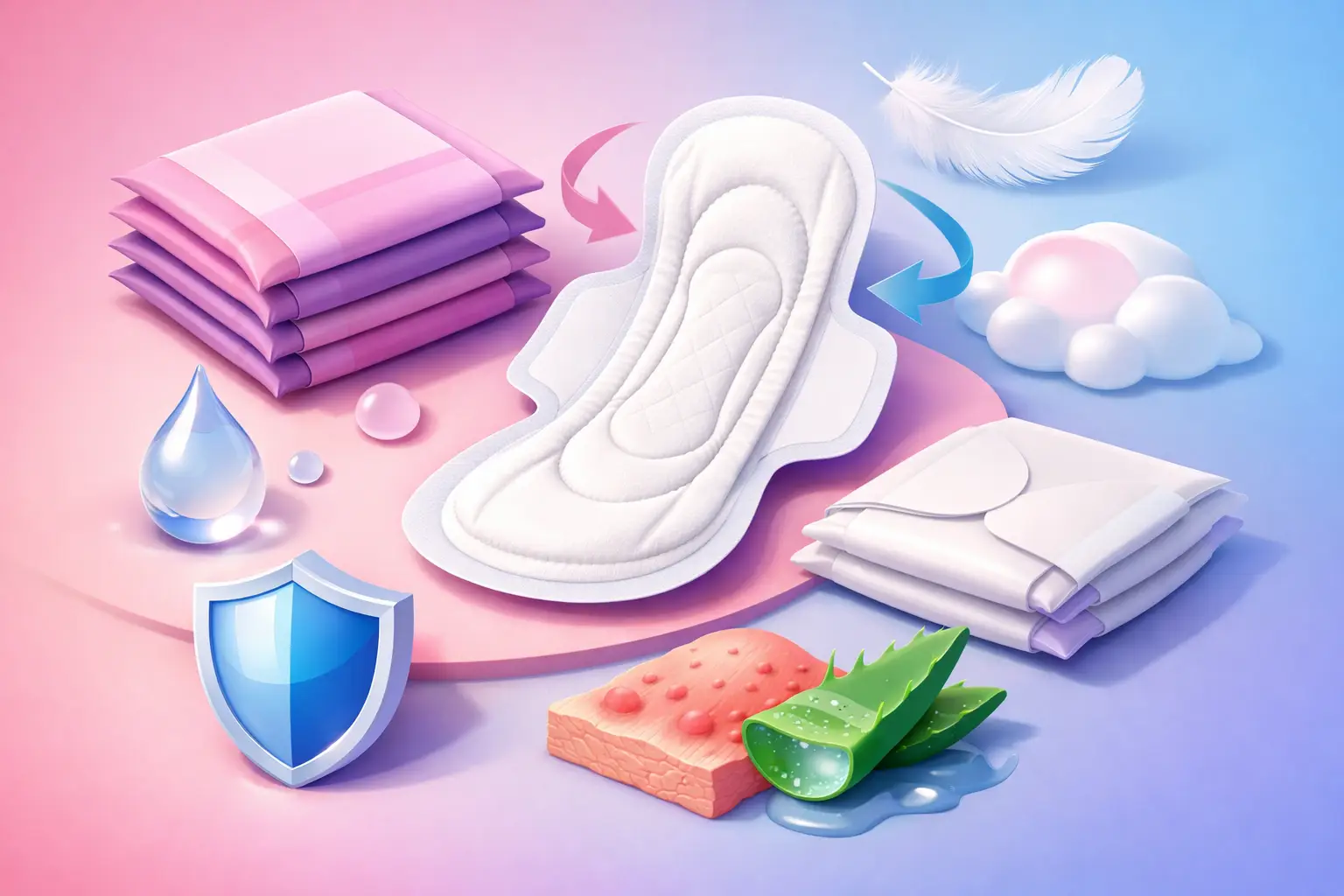
That familiar stinging feeling halfway through your period can ruin an otherwise normal day. If you have ever changed your pad and noticed redness, itching or a sore patch, you are not imagining it. Choosing the right period pads for rash prevention can make a real difference to comfort, freshness and confidence, especially if your skin tends to react quickly during your cycle.
For many people, period rash is not caused by one single thing. It is usually a mix of moisture, friction, heat and sensitivity to certain materials. When a pad stays damp for too long or rubs against delicate skin, irritation can build fast. Add a long school day, a commute, exercise or warm weather, and that discomfort often gets worse.
Why period rash happens in the first place
The skin around the vulva is delicate, and during your period it deals with far more contact, dampness and movement than usual. A pad that feels fine for an hour can start to feel heavy, sticky or abrasive later in the day. Once that happens, the skin barrier can become irritated.
Friction is one of the biggest triggers. If the top layer of the pad is rough, bulky or not flexible enough, it can rub against the skin as you walk, sit or sleep. Moisture is another major factor. A pad that does not pull fluid away from the surface quickly can leave the skin feeling wet, which increases the chance of chafing.
For some people, sensitivity to fragrances, harsh additives or low-quality synthetic materials also plays a part. That does not mean every scented or conventional pad will cause a rash, but if you repeatedly notice irritation, your pad choice is worth reviewing.
What to look for in period pads for rash prevention
The best period pads for rash prevention are designed to reduce the conditions that lead to soreness. That usually means prioritising softness, dryness, breathability and a shape that moves with your body rather than against it.
A soft top sheet matters more than many people realise. If the surface feels scratchy on your fingertips, it is unlikely to feel better on sensitive skin after hours of wear. A smoother, skin-friendly layer can help reduce rubbing, especially on heavier days when you need longer protection.
Dryness is just as important. When menstrual fluid sits close to the skin, irritation becomes more likely. Pads that lock moisture into the core rather than leaving it on the surface tend to feel more comfortable for longer. This is particularly helpful overnight or on busy days when you cannot change as often as you would like.
Breathability helps too. A pad does not need to feel flimsy to allow better airflow. The goal is to avoid that trapped, overheated feeling that can make skin feel clammy and reactive. If you are prone to rashes, breathable construction often feels noticeably better over a full day.
Then there is fit. A pad that bunches, slides or feels too stiff creates extra friction points. Thin, flexible pads with a secure fit can help prevent rubbing at the edges and centre.
Materials and hygiene features matter
If you compare pads carefully, materials are often where the biggest differences show up. Sensitive skin usually does better with products that avoid unnecessary harsh components and focus on clean, skin-conscious construction.
Microplastic-free options can be appealing for more than environmental reasons. Many shoppers now want period care that feels gentler, simpler and more considered overall. While skin reactions vary from person to person, choosing thoughtfully made products can offer more peace of mind.
Hygiene features also play a role in comfort. When a pad helps control odour and keeps the surface fresher, it often supports a cleaner, drier feel throughout wear. That can be especially useful during long shifts, travelling days or warmer months when moisture and heat build up more easily.
This is where product innovation can genuinely help. Elun Hygiene focuses on clinically tested, rash-free, antibacterial protection with 100% microplastic-free pads, designed for women who want comfort without compromise. Its antibacterial nano ribbon technology is built to support freshness, odour control and long-lasting dryness, which are all directly relevant when your goal is reducing irritation.
How to choose the right pad for your flow and routine
Not every rash issue is solved by buying the most absorbent pad on the shelf. In fact, using a pad that is too thick for your flow can sometimes create more bulk, heat and friction than you need. The right match depends on both absorbency and when you plan to wear it.
During lighter days, a slim pad or liner may be enough, provided it still feels soft and secure. On medium to heavy days, you need reliable absorption, but not at the expense of comfort. A well-designed pad should keep you dry without feeling rigid or oversized.
Night wear deserves separate thought. If you tend to wake up sore, it may be because your overnight pad becomes damp or shifts as you move. A night pad should give fuller coverage while still staying comfortable for longer wear. The best ones manage fluid efficiently and remain soft against the skin, even after several hours.
Your daily routine matters as well. If you are often out from morning to evening, at school, in the office or travelling, choose a pad that balances absorbency with breathable comfort. If you are active, flexibility becomes even more important. If your skin is highly reactive, keep your routine simple and prioritise pads made specifically with sensitive wear in mind.
Small habits that help prevent irritation
Even the best pad works better with a few smart habits. Changing regularly is the most obvious one, but it is also the easiest to delay when life gets busy. Wearing a pad for too long increases moisture, friction and warmth, all of which can aggravate skin.
It helps to cleanse gently and keep the area dry when changing. Harsh soaps, strong fragranced washes and over-wiping can make irritation worse, not better. A gentle approach is usually kinder to already sensitive skin.
Clothing choice can also affect comfort. Tight synthetic underwear or leggings may trap more heat and rub the area further, especially on a rash-prone day. Softer, breathable fabrics often feel better when your skin is already irritated.
If you know you are sensitive, it is worth keeping a few pad formats on hand instead of using one style for every day of your period. A lighter option for lower-flow days and a more absorbent one for heavier days can prevent unnecessary bulk and rubbing.
Signs your current pad is not the right fit
Sometimes the problem is not your skin in general. It is your current product. If you regularly notice itching soon after putting on a fresh pad, a damp feeling that does not go away, redness along the edges, or soreness where the pad rubs as you move, it may be time to switch.
Odour that appears quickly can also be a clue that the pad is not keeping you dry and fresh enough. Likewise, if you dread wearing a pad for more than a couple of hours because it feels hot or uncomfortable, that is useful information. Period care should feel protective and dependable, not like something you have to endure.
There is some trial and error here. Skin sensitivity is personal, and what works beautifully for one person may not suit another. But if your current pad leaves you irritated month after month, that is not something you should simply put up with.
Comfort should not be a bonus
There is a tendency to treat period irritation as just part of the experience. It is not. The right period pads for rash prevention are not about luxury or extra fuss. They are about making everyday period care feel safer, cleaner and far more manageable.
When a pad keeps you dry, feels soft against the skin and supports freshness throughout the day, you notice the difference quickly. You move more comfortably, worry less and spend less time thinking about irritation. That is exactly how period care should feel.
If your skin has been telling you that your current pad is not working, it is worth listening. A small change in materials, absorbency or hygiene protection can be the difference between getting through your period and actually feeling comfortable in it.