

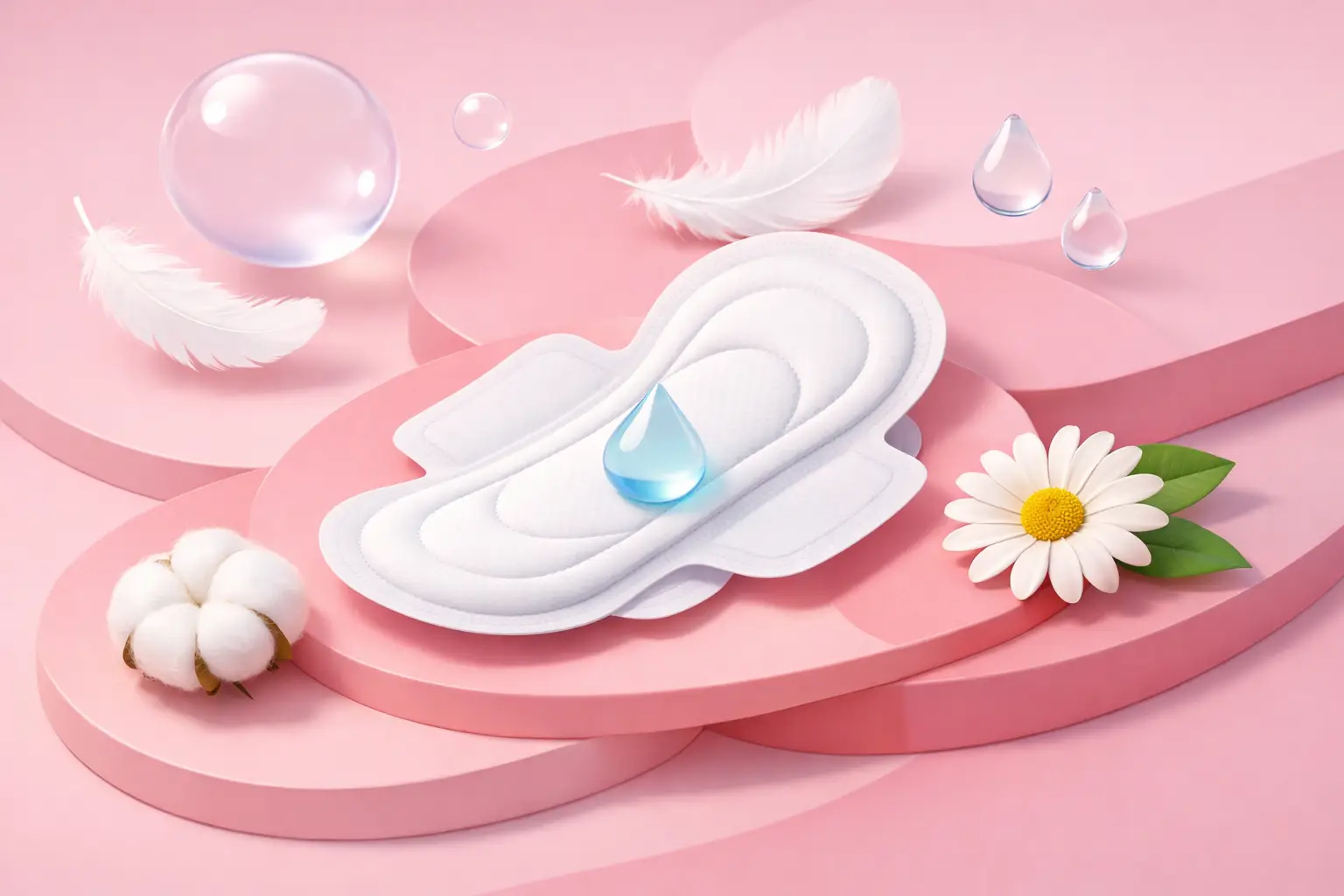
If your pad feels fine for the first hour and then suddenly starts to itch, rub or trap heat, your skin is telling you something. Choosing sanitary pads for very sensitive skin is less about marketing claims and more about finding materials and design features that protect your comfort from the first day of your period to the last.
For sensitive skin, the wrong pad can turn a normal cycle into days of irritation. That can mean redness along the edges, a warm and damp feeling after a few hours, or soreness where the pad shifts as you walk. Some people notice problems only on heavy days, while others react even to light daily liners. Either way, comfort is not a small extra. It affects how confident, clean and relaxed you feel at school, at work, on the move and overnight.
What makes sanitary pads for very sensitive skin different?
A pad for sensitive skin should do more than absorb fluid. It should reduce friction, stay breathable and avoid the kind of materials that leave skin feeling hot, damp or irritated. That usually starts with a soft top layer that sits comfortably against the body instead of feeling papery or scratchy.
Breathability matters just as much. Skin tends to become more reactive when moisture and heat build up, especially during longer wear. A pad that keeps the surface drier can make a noticeable difference, not only for comfort but also for reducing that sticky feeling that often leads to chafing.
The structure of the pad matters too. A very thick pad is not always the problem, and a very thin pad is not always better. For some people, bulky padding creates rubbing at the edges. For others, a pad that is too thin may bunch up and create more movement against the skin. The best option is the one that stays smooth, absorbs quickly and feels stable as you move through the day.
Why sensitive skin reacts during your period
Period skin can be more delicate than usual. Blood, sweat, heat and constant contact with a pad create a setting where irritation can happen quickly. If you already have reactive skin, eczema, dryness or a history of rashes, your period can make those issues more noticeable.
There is also the question of wear time. Even a well-made pad can start to feel uncomfortable if it is left on too long, especially on a busy day when changing it gets pushed back. Friction increases, moisture lingers and the skin barrier becomes stressed. This is why the right pad and the right routine work together.
Some irritation is caused by obvious roughness, but sometimes it is more subtle. A pad may feel soft at first yet still leave skin uncomfortable because it does not manage moisture well enough. That is why softness alone is not the full answer. Dryness, airflow and a secure fit all matter.
Features worth looking for in sanitary pads for very sensitive skin
If your skin reacts easily, it helps to read product claims with a practical eye. The words on the packet matter less than the actual comfort factors behind them.
A soft, skin-friendly top sheet is usually the first thing to look for. This is the layer in direct contact with your body, so it should feel gentle and smooth. Breathable construction is another strong sign, because it helps reduce the heat and humidity that often make irritation worse.
It is also worth looking for pads that are clinically tested and designed to be rash-free. Those claims can offer extra reassurance, especially if you have had bad experiences with standard pads before. For many shoppers, material choices matter too. Microplastic-free options appeal not only for sustainability reasons but also because they can feel like a cleaner, more considered choice for intimate care.
Antibacterial protection can also be useful when it is built into the product in a skin-conscious way. Better freshness and odour control are not only about convenience. They can support a cleaner, drier feeling over longer hours, which sensitive skin tends to appreciate.
The trade-off between absorbency and comfort
Many people with sensitive skin assume they must choose between strong protection and gentle feel. In reality, the goal is balance. You want a pad that absorbs quickly enough to keep the surface dry, without becoming stiff, bulky or sweaty.
On heavy days, a pad with poor absorbency can leave moisture sitting close to the skin, which often leads to discomfort faster than the flow itself. But an overly thick pad may feel heavy and create pressure or rubbing. That is why shape, flexibility and surface dryness are just as important as total absorbency.
At night, this balance becomes even more important. Longer wear times call for higher protection, but overnight pads should still feel breathable and secure. A good night pad supports sleep without making you wake up feeling damp, overheated or sore.
How antibacterial and microplastic-free design can help
When sensitive skin is your starting point, hygiene features matter. A pad that helps control bacteria and odour can support a fresher feeling throughout the day, especially during long shifts, commuting or warm weather. That is not about masking problems. It is about reducing the conditions that can leave you feeling less comfortable.
This is where thoughtful product design stands out. Elun, for example, builds its pads around antibacterial nano ribbon technology to support freshness, dryness and irritation reduction, while also offering 100% microplastic-free protection. For shoppers who want comfort without compromise, that combination speaks to both skin health and everyday peace of mind.
Microplastic-free construction also matters beyond environmental concerns. For many women, intimate care feels more reassuring when the product is made with greater material transparency and a clear focus on what touches the skin. That extra trust can make a real difference when you are already dealing with sensitivity.
How to tell if your current pad is causing irritation
Sometimes the signs are obvious. If you remove your pad and see redness, feel stinging, or notice itching that eases once the pad is off, the product may be part of the problem. In other cases, the signs build gradually. You may just feel uncomfortable every period and assume that is normal.
Pay attention to patterns. If irritation happens only on the heaviest days, your issue may be moisture or wear time rather than the pad overall. If it starts around the edges, friction and fit may be the real cause. If it happens with one brand but not another, the surface material or construction is likely the difference.
This is why sample packs can be genuinely helpful. Sensitive skin often needs a bit of trial and observation, especially when your needs change between light days, heavy days and nights.
Small habits that make a big difference
Even the best pad works better when paired with a skin-friendly routine. Changing your pad regularly is one of the simplest ways to reduce irritation, because it limits prolonged contact with moisture and heat. Gentle washing with water or a mild intimate cleanser can also help, especially if your skin is already reactive.
It also helps to wear breathable underwear and avoid anything too tight during your period if rubbing is a problem. If you are prone to soreness, a secure pad that stays in place can be kinder to the skin than one that shifts around all day.
If irritation is persistent, severe or unusual for you, it is worth speaking to a GP or pharmacist. Sensitive skin is common, but ongoing discomfort should not be ignored.
Choosing the right pad for each day of your cycle
Very sensitive skin usually benefits from matching the pad to the day rather than using one type for everything. Lighter days may feel better with a slimmer pad or panty liner that reduces bulk. Medium to heavy days often need a more absorbent option that keeps the surface dry before irritation starts. Nights call for extra coverage, but not at the expense of softness and airflow.
That is why practical pack options can be so useful. Mini packs make it easier to test a product before committing, while combo or jumbo packs help you stay prepared for different moments of your cycle. Convenience matters, but for sensitive skin, consistency matters even more. Once you find a pad that feels right, sticking with it can spare you a lot of trial and error.
Comfort during your period should not feel like luck. The right sanitary pads for very sensitive skin can help you feel dry, protected and at ease, so your attention stays on your day rather than on the pad you are wearing.